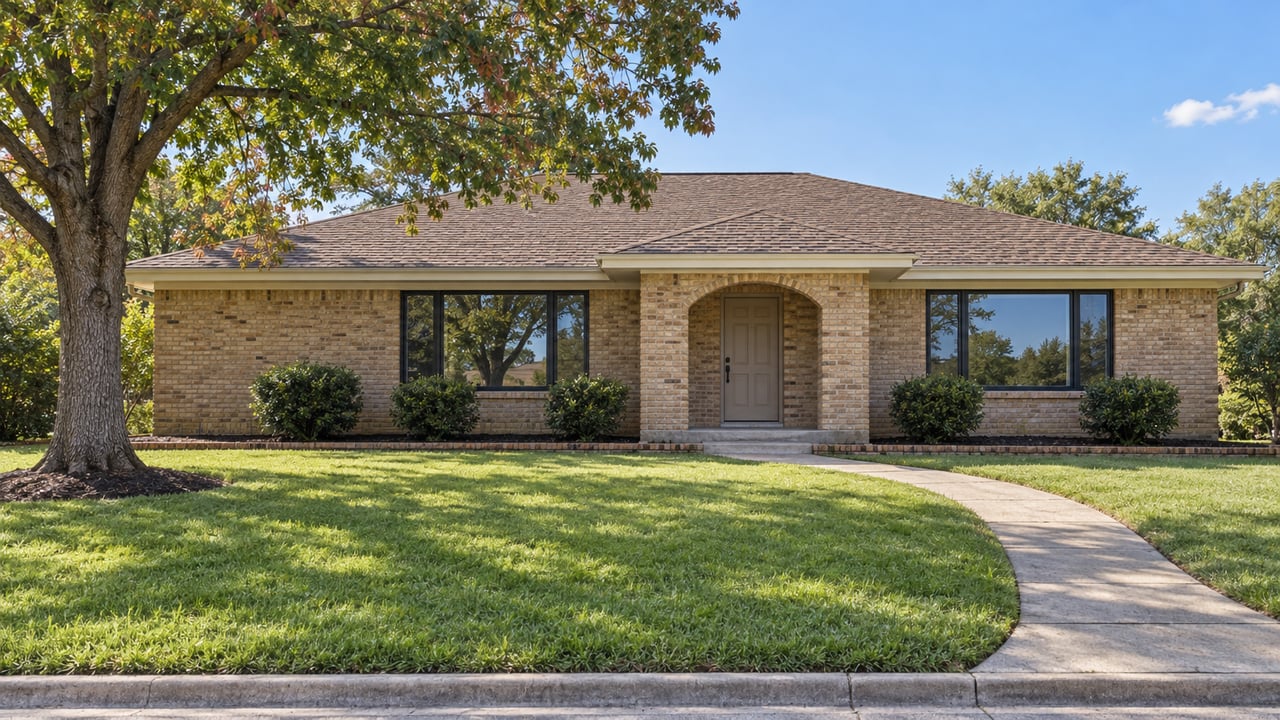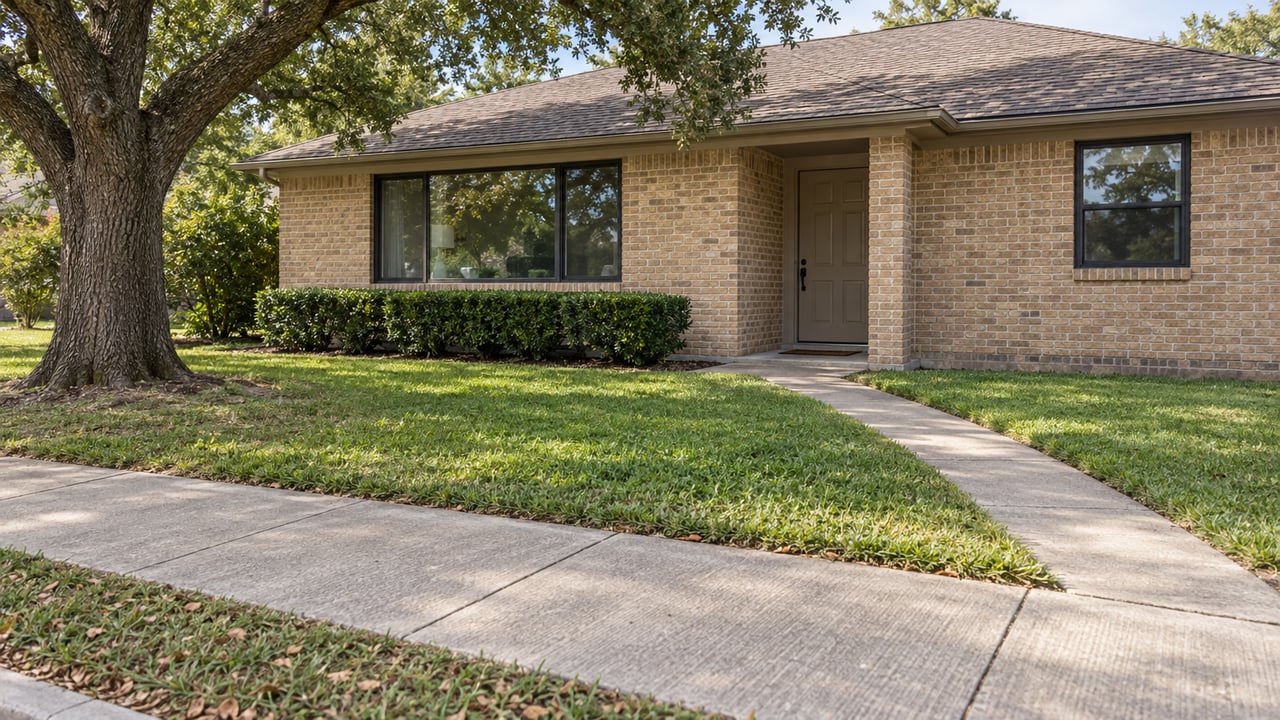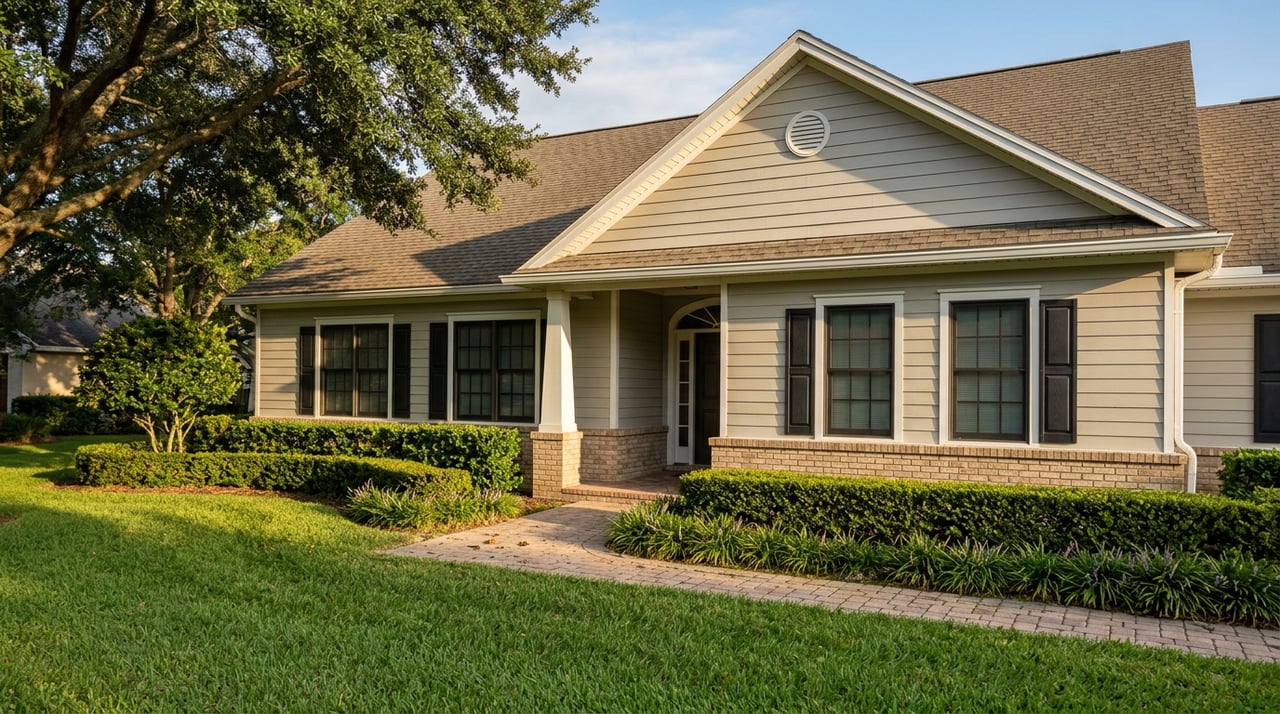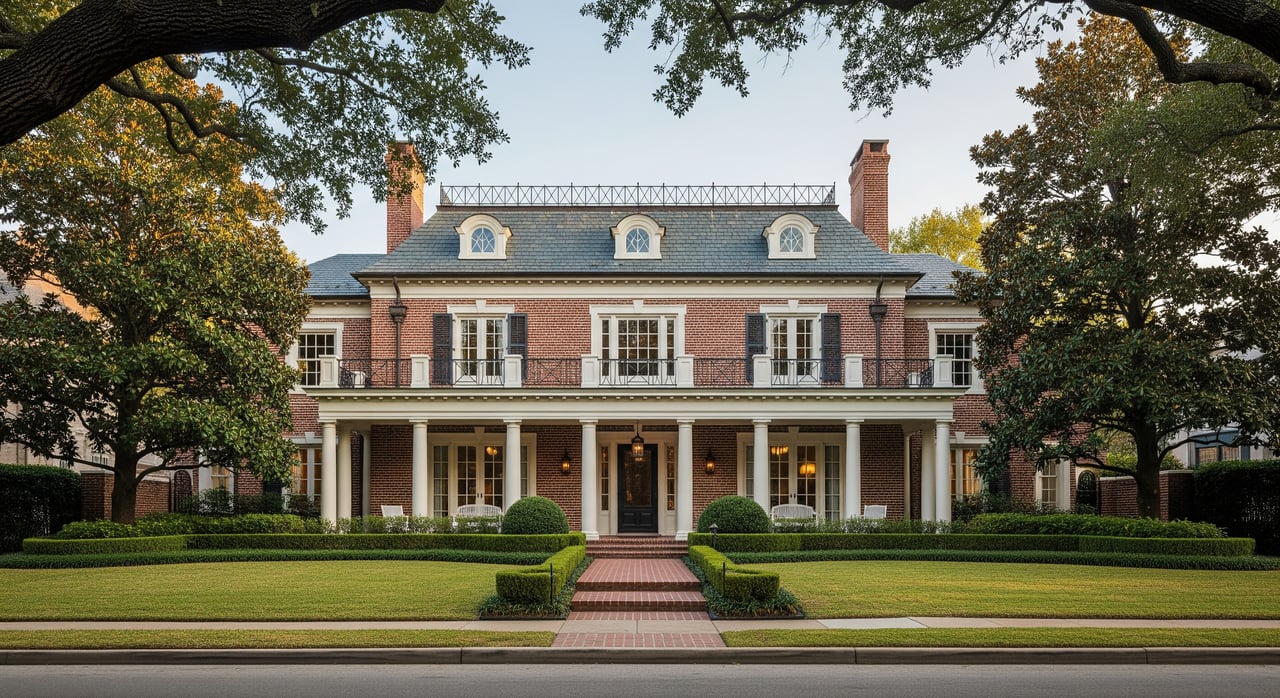
Why do two homes in West University Place that look similar from the curb sell for very different prices? If you are getting ready to buy or sell in West U, understanding the micro factors behind pricing can give you a real edge. This guide breaks down the elements that drive value here, how appraisers and agents measure them, and what you can do to position your move. Let’s dive in.
The land beneath the house
Land is scarce in West University Place. That scarcity is a major reason values stay resilient, but not all lots are equal.
Lot size and shape
Larger, regular-shaped lots typically command a premium because they support better yard use and stronger redevelopment potential. Deeper lots can improve privacy and design flexibility. Irregular shapes or significant easements can reduce the buildable area and the price a future builder is willing to pay.
Street position and block character
Corner lots can draw interest for extra light and access, though traffic patterns matter. Many buyers prefer interior lots on quiet, tree-lined streets. The overall look and care of the block face also influences value; a cohesive streetscape with sidewalks and mature trees often performs better than one with mixed conditions.
Buildable area and setbacks
Setbacks, utility easements, and drainage requirements shrink the part of the lot you can actually build on. Because redevelopment is common, the price per buildable square foot is a useful lens. Two lots of the same size can carry very different values if one has constraints that limit future design.
Location within West U
Being close to daily-life amenities is a clear driver of demand in West University Place.
Walkability and nearby amenities
Proximity to parks, neighborhood retail, and Rice Village gives buyers extra value in convenience. Easy access to the Texas Medical Center or downtown is a bonus for many professionals. The more daily needs you can reach quickly, the more competitive the property tends to be.
Flood risk and elevation
FEMA flood zones, updated maps, and elevation relative to nearby bayous directly affect insurance costs and buyer confidence. Lots with improved drainage or higher elevation can command stronger prices. Always verify flood designations and discuss recent drainage improvements when evaluating a property.
Micro-neighborhood cues
Tree canopy, sidewalks, and nearby home quality set a tone for each block. A cluster of well-kept homes nearby supports value. External influences like a busy street or commercial edge can require small price adjustments to align with buyer expectations.
Living space and layout
The size you can comfortably live in is more important than the total square footage on paper.
Square footage and rooms
Net livable square footage and the count of bedrooms and full baths are core pricing inputs. Price per square foot is a common metric, but it varies by size band and condition. Smaller, fully updated homes can carry a higher per-square-foot rate than larger homes that need work.
Function and ceiling heights
Layouts that flow well and allow for modern living typically win. Open circulation, well-placed utility spaces, and higher ceilings make homes feel larger and brighter. These features often secure a higher per-square-foot price because they improve everyday livability.
Renovation depth and documentation
Buyers in West U expect quality. That includes both finishes and the systems you cannot see.
Systems and structure vs. cosmetics
Fresh paint and new flooring help, but major systems drive confidence. A sound foundation, newer roof, updated HVAC, and modernized electrical and plumbing reduce the risk of expensive repairs. Homes with recent mechanical upgrades often face fewer concessions during negotiations.
Permits and paper trail
Permitted work that is well documented typically appraises better and eases financing. Unpermitted additions create uncertainty and can trigger appraisal adjustments. Keep a tidy file of permits, invoices, and contractor details to support your price.
Finish level and consistency
High-end appliances, custom millwork, and upgraded baths can add measurable value, especially when finishes are cohesive throughout the home. A single premium room rarely carries the whole valuation; consistency matters.
Age, style, and fit
Style preference is personal, but alignment with neighborhood fabric affects demand.
Historic charm vs. new construction
Well-maintained cottages and brick bungalows attract buyers seeking character. Newer construction appeals to those who want modern floor plans and energy efficiency. Each can command a premium when the quality is high and the home fits the lot.
Massing and neighborhood harmony
New builds that respect setbacks and scale often lift nearby values by resetting price norms. Overly large homes that feel out of place can face pushback from buyers, which may soften prices for immediate neighbors.
Market and comp dynamics
Short-term pricing is guided by what has closed recently and what is on the market right now.
Recent sales and active listings
Appraisers and agents rely on comparable closed sales from the last 3 to 12 months, ideally within a tight radius in West U. Actives and pendings show the current competition. The mix of turnkey homes, renovated properties, and teardowns shapes pricing bands block by block.
Days on market and list-to-sale ratio
When inventory tightens and days on market are short, sellers gain leverage. Rising days on market, price reductions, or a surge of similar listings tilt leverage to buyers. These indicators help you decide whether to price assertively or conservatively.
New construction and teardown supply
A wave of quality new builds can pull neighborhood pricing upward. A cluster of teardowns may temporarily compress values for adjacent homes due to construction activity, but can reset higher norms once complete.
Regulatory and cost considerations
Carrying costs and building rules change what buyers can afford and what can be built.
Property taxes and appraisals
Harris County Appraisal District records show assessed values and tax history. Significant appraisal changes can alter affordability and seller net expectations. Review these records to understand potential buyer questions about taxes.
Permitting and design review
City permitting processes, setbacks, and any deed restrictions affect redevelopment economics. Knowing what is allowed on your lot helps you price appropriately and avoid surprises during due diligence.
Insurance and flood coverage
Insurance premiums, including flood coverage, factor into total monthly cost. Underwriting changes can influence buyer budgets and valuation. Confirm the current policy details and, where relevant, elevation certificates and drainage work.
How appraisers and agents measure value
Valuation in West U is data driven and hyper local.
Comparable selection
In a compact, homogenous area, the best comps often sit within 0.25 to 0.5 mile of the subject property and on similar block types. Most analyses favor sales from the last 3 to 12 months, with time adjustments when needed. Adjustments typically account for lot size, square footage, bedroom and bath count, garage and pool presence, and renovation level.
Separating land from structure
Because teardowns are common, practitioners often estimate land value apart from improvements. They use recent lot sales when available, or extract land value from improved sales. The residual method helps builders and investors price offers based on permitted square footage and expected resale.
Accounting for obsolescence
Outdated layouts or external influences like proximity to busy streets may require downward adjustments. Clear documentation of upgrades, resilience features, and quality finishes can offset uncertainty and support higher pricing.
Scenario snapshots
These common situations illustrate how different factors can shift value in West U.
Updated small lot, turnkey condition
A smaller lot with a fully updated interior and modern systems can achieve a strong price per square foot. Buyers prioritize move-in readiness and design quality. The lot may not command a big premium, but finish and function lift the per-square-foot metric.
Large lot with original house
When a home needs major renovation, the land often dominates the price. Developers and builders will back into offers based on demolition cost, build cost, permitted square footage, and likely resale. If the lot is regular and free of heavy constraints, the land residual sets the tone.
New construction larger than neighbors
A well-executed new build can reset the top of the market on the block. If the massing overwhelms the streetscape, some buyers may pass, softening the immediate adjacency. Scale that respects neighborhood character tends to perform best.
What to bring to a valuation meeting
Arrive prepared so your pricing conversation is accurate and efficient.
- Recent closed comps you believe are similar, plus notes on active competition
- HCAD property record, lot dimensions, and tax history
- Survey, site plan, and any elevation certificate, if available
- Permit history, contractor invoices, and warranties for major systems
- A list of upgrades with dates and brands, plus roof and HVAC age
- Notes on flood zone, drainage improvements, and any known easements or encroachments
How buyers can use this playbook
Walk each home with a valuation mindset so you can compare apples to apples.
- Evaluate lot size, shape, setbacks, and any visible constraints
- Note block quality, tree canopy, traffic, and proximity to parks and retail
- Confirm flood zone and ask about drainage improvements and insurance history
- Measure livable square footage and layout efficiency, not just headline size
- Separate cosmetic updates from system-level upgrades and verify permits
- Ask your agent for a comp set within 0.25 to 0.5 mile and 3 to 12 months
Partner with a local expert
Pricing in West University Place is a neighborhood-by-neighborhood exercise that requires careful comp selection, a trained eye for condition, and a clear view of what can be built on the lot. If you are considering a sale or want to buy with confidence, tap into seasoned local guidance. Book an appointment with Brenna Abels to review your property, discuss comps, and create a plan that fits your goals.
FAQs
How does lot size affect West U home values?
- Larger, regular-shaped lots typically carry premiums because they improve daily use and strengthen redevelopment potential, which drives higher offers.
Do flood zones impact price and insurance in West U?
- Yes. FEMA flood designations and elevation influence insurance costs and buyer confidence, which can affect both marketability and final price.
What matters more: a new kitchen or new HVAC?
- Both help, but system-level updates reduce risk and negotiation friction, while kitchen and primary bath upgrades often deliver strong near-term market appeal.
How are comps chosen for West University valuations?
- Appraisers and agents prioritize closed sales within 0.25 to 0.5 mile and the past 3 to 12 months, then adjust for lot, size, rooms, condition, and finish level.
Do pools add value in West University Place?
- Pools can add nominal value when well integrated with outdoor living, but some buyers see maintenance and insurance costs as trade-offs, so context matters.
How do property taxes affect what buyers will pay?
- Higher carrying costs influence affordability and monthly budgets, which can shape buyer demand and pricing; reviewing HCAD records helps set expectations.
What documents should I gather before listing?
- Pull your HCAD record, survey, permits, system invoices, roof/HVAC ages, flood details, and a list of upgrades; these items support your pricing and marketing.