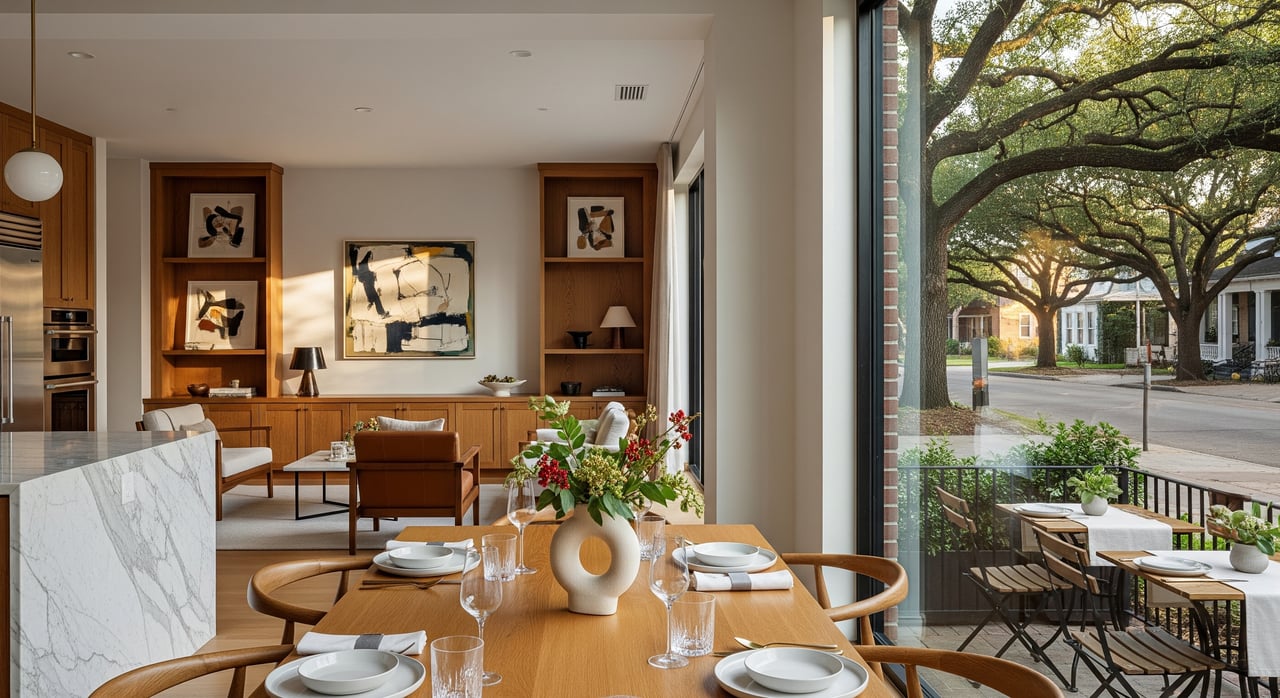
Thinking about a Houston address that puts great food, art, and everyday errands close at hand? Montrose offers a central, inner‑loop lifestyle with a creative edge and quick access to major job centers. If you want walkable blocks, a lively dining scene, and easy trips to Downtown, the Medical Center, or the Galleria, this neighborhood deserves a close look. In this guide, you’ll learn what daily life feels like, how you’ll get around, what homes you can expect, and the practical checks to make before you buy or lease. Let’s dive in.
Why Montrose fits busy routines
You live close to where you eat, meet, and unwind. Montrose places you just west and southwest of Downtown Houston, with a mix of small retail, cafés, galleries, and services woven into residential streets. Short blocks and active commercial corridors make it easier to walk or bike for coffee, lunch, or quick errands than in many Houston neighborhoods.
Daily life often looks like this: coffee near home, a walk to dinner on Westheimer or Montrose Boulevard, and quick grocery or service stops within a few minutes. You still rely on a car for many trips, but you can leave it parked for more of your week. The balance is part of Montrose’s appeal if you want an urban feel without leaving Houston’s inner loop.
Dining and nightlife variety
Montrose has a wide range of dining, from casual cafés and bakeries to neighborhood bistros and late‑night spots. New places open often, and some rotate out, so your options stay fresh over time. If you like trying new menus and discovering local favorites, you will have plenty to explore.
Nightlife remains a draw, including a long history as a welcoming, inclusive scene. You can plan weeknight meetups or weekend outings without long cross‑town drives. If you prefer quieter evenings, look for homes set back from major corridors to keep late‑night noise in check.
Arts and culture anchors
You can spend an afternoon at the Menil Collection or reflect at the Rothko Chapel, both within or adjacent to Montrose. Smaller galleries and independent art spaces host regular openings, which adds to the neighborhood’s creative pulse. The Museum District is a short ride away if you want a deeper dive into exhibits and programs.
Culture here is more grassroots than festival‑driven. You will find community events, shows, and gatherings spread across the calendar. If you value art and design as part of everyday life, Montrose makes it easy to plug in.
Parks and outdoor time
For fresh air and longer routes, Buffalo Bayou greenways sit to the north, with bikeable paths and skyline views. Hermann Park and the Museum District are to the south for jogs, picnics, and playground time. Within Montrose, you will also find pocket parks and green spaces that work for quick breaks or pet walks.
Cycling and walking are common for short trips. Some streets have bike lanes or shared routes, though not every connection is continuous. A simple routine is to ride the bayou trails for fitness and use quieter residential streets for everyday errands.
Daily conveniences close by
You can cover most daily needs within short drives or on‑foot trips. Grocery options include national stores, specialty markets, and neighborhood grocers. Salons, dry cleaning, pet care, and fitness studios are well represented, so you can handle errands without leaving the area.
Healthcare access is a strength. The Texas Medical Center is a short drive, and you will find clinics and private practices in and around the neighborhood. If you value quick appointments and centralized care, Montrose’s location helps.
Housing types and pricing
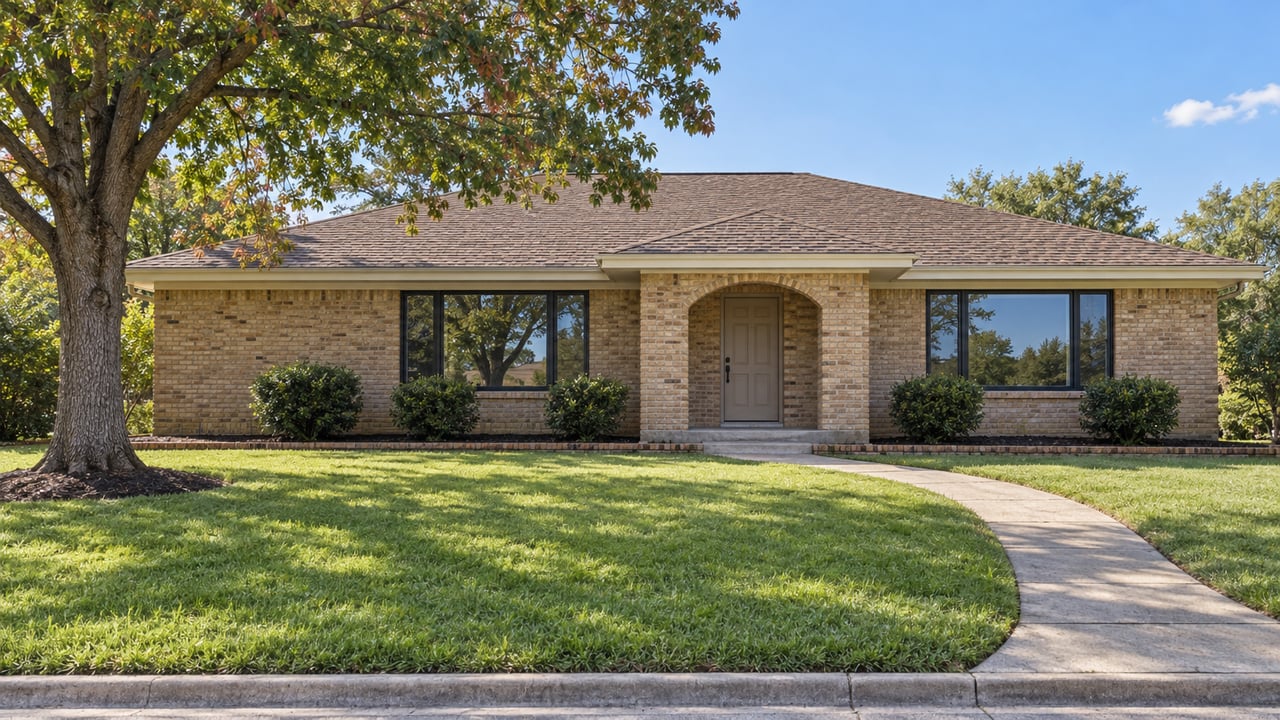
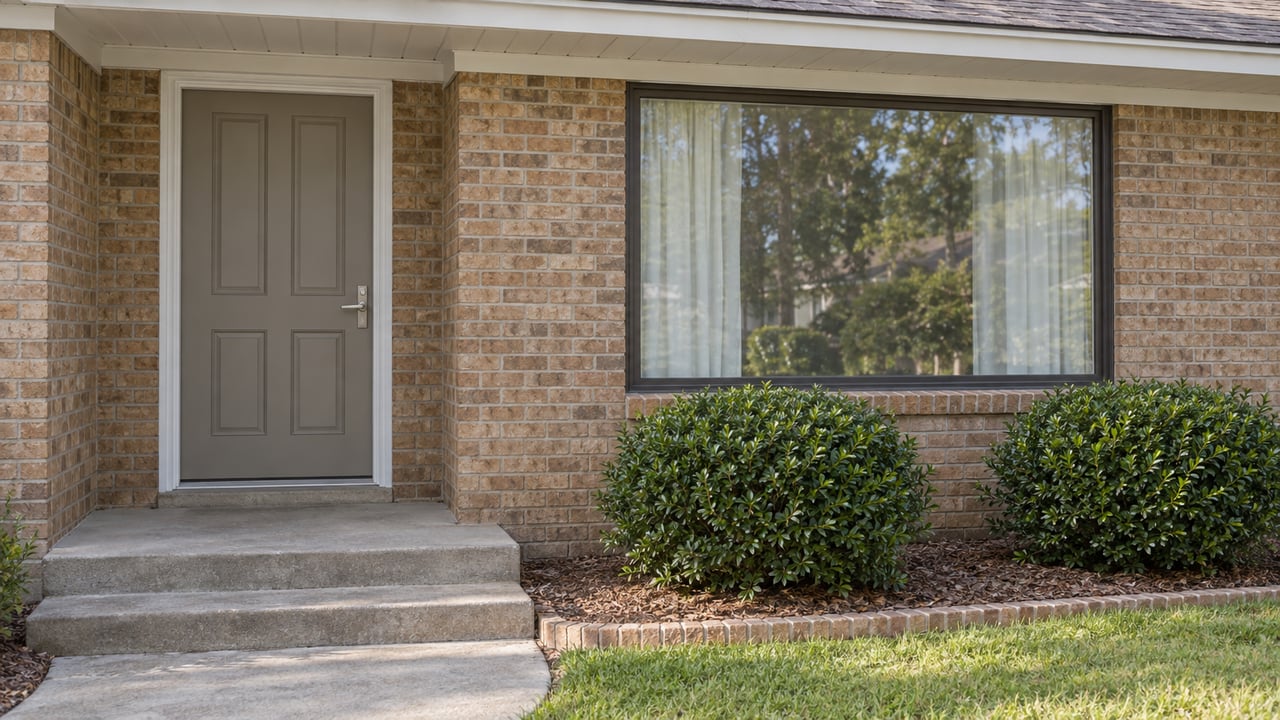
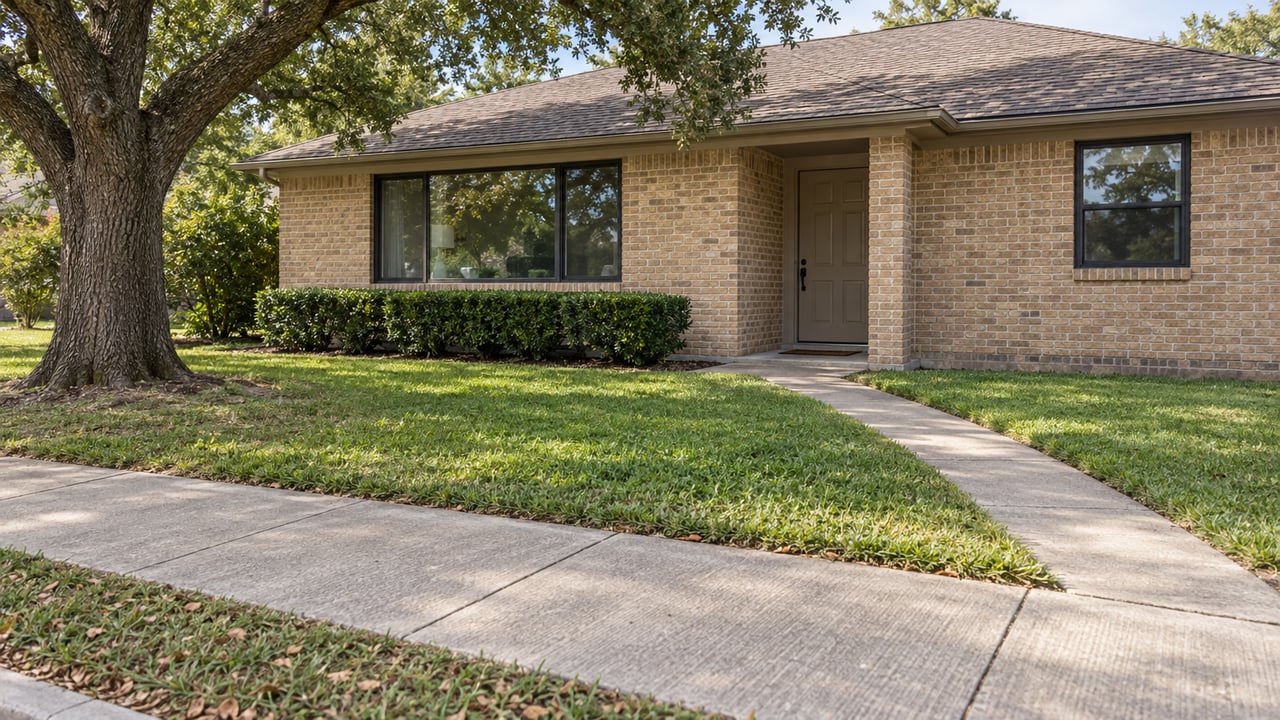
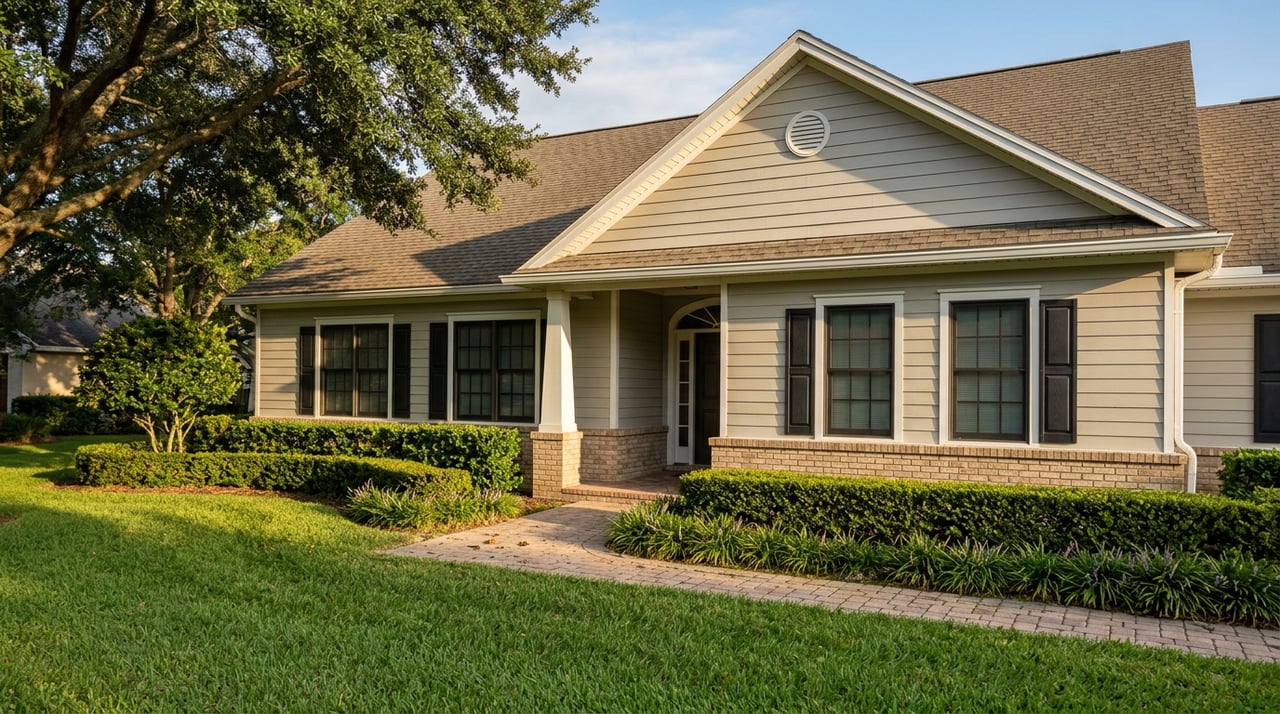
Montrose housing is a true mix. You will see older bungalows and cottages, mid‑century homes, low‑rise apartments, and an increasing number of modern townhomes and condos. Many single‑family lots have been subdivided for multi‑unit development, which is common in Houston’s inner loop.
Prices are generally higher than the Houston city median for both sales and rentals due to the central location and lifestyle demand. Market conditions shift quickly, so it is smart to review current data from local market sources when you are ready to move. Expect a competitive market for small single‑family homes and well‑located townhomes.
What you get for your money
If you focus on townhomes or condos, you will likely trade yard size for low‑maintenance living and proximity to dining and retail. Historic bungalows can deliver charm and tree‑lined streets, often with older systems to evaluate during inspections. Newer infill properties bring modern layouts and garages, but may sit closer to active corridors.
If you are relocating or comparing across neighborhoods, line up current sales snapshots and recent comps to set expectations. Reviewing listing history and property records helps you understand how a home has evolved over time.
Zoning and development realities
Houston does not use traditional municipal zoning. You may see a mix of residential and commercial uses on the same block, along with ongoing teardown and infill activity. This pattern keeps the area dynamic but can change the streetscape near a home over time.
Some blocks have deed restrictions, design review, or historic protections that shape what can be built or altered. Before you write an offer, it is wise to review the plat, restrictions, and any association guidelines to confirm what is allowed.
Getting around and commutes
From Montrose, you can reach key job centers quickly, with timing shaped by traffic and your exact starting point. Common drive times are roughly 5 to 20 minutes to Downtown, about 10 to 20 minutes to the Texas Medical Center, and typically 15 to 30 minutes to the Galleria during peak periods. Time of day and route choice have a big impact, so test your commute if you can.
Public transit is a real option for some routines. METRO bus routes run through Montrose, and METRORail stations in Downtown and the Museum District connect to major destinations. Many residents supplement with ride‑hail, scooters, or local bikeshare for short trips, especially on busy nights.
Parking and guest planning
On‑street parking can be limited near popular dining corridors and in denser infill pockets. Many homes include small private driveways, garages, or shared parking, but guest availability may be tight at peak hours. It helps to check parking during your showing, including at night and on weekends, and to plan visitor options.
Risks and practical checks
Every central neighborhood has tradeoffs. Montrose’s strength is energy and access, which pairs with a few realities worth checking.
Flood and drainage
Parts of Montrose are subject to flooding due to proximity to Buffalo Bayou and lower‑lying sections. Review FEMA flood maps, Harris County Flood Control resources, property elevation, and any past flood history for the specific address. Even if a home is not in a mapped flood zone, many buyers choose to evaluate flood insurance and drainage improvements as part of due diligence.
Safety and crime context
Crime patterns vary block by block, and property crime is a common inner‑loop concern. Check Houston Police Department statistics for the immediate area, and consider visiting at different times of day. Simple habits like not leaving items in cars and understanding lighting and visibility around a home can make a difference.
Schools and family fit
Public school assignments can change, so confirm current attendance zones through official district tools. You will also find private and charter options within a reasonable drive. If a larger yard or a very quiet street is a top priority, focus your search on residential blocks set back from nightlife and high‑traffic corridors.
Noise and nightlife tradeoffs
The same restaurants and bars that bring vibrancy can add late‑night sound. If you are sensitive to noise, visit potential homes in the evening and on weekends. Homes a few streets off major corridors often deliver a calmer feel without giving up convenience.
Taxes and recurring costs
Factor Harris County property taxes and any special district assessments into your total monthly budget. Insurance costs vary by property type and age, and flood insurance is a separate line item if required or selected. For older homes, ask about roof, drainage, and system updates that may affect insurability.
Quick commute cheat sheet
- Downtown Houston: about 5 to 20 minutes by car, depending on your exact location and traffic.
- Texas Medical Center: roughly 10 to 20 minutes by car, traffic dependent.
- The Galleria: typically 15 to 30 minutes by car during peak periods.
- Transit alternatives: METRO bus service through Montrose and METRORail access at nearby Downtown and Museum District stations.
Touring checklist for buyers and renters
- Parking plan: confirm garage size, guest parking options, and nighttime street availability.
- Noise check: visit during dinner hours and weekends to gauge sound levels.
- Flood review: look up FEMA and county flood maps, ask about past events and drainage upgrades.
- Condition review: evaluate roofs, windows, grading, and HVAC for older homes.
- Rules and restrictions: review deed restrictions, HOA guidelines, and any historic or design oversight.
- Commute test: drive your route at expected times to verify timing and stress level.
- Cost clarity: request recent utility bills, insurance quotes, and tax details.
Considering Montrose?
If you want a central Houston lifestyle with art, dining, and everyday convenience, Montrose delivers a compelling balance. You can enjoy walkable moments, flexible commutes, and a true mix of housing options, all within minutes of major employment centers. Careful due diligence on parking, flood, and restrictions will help you choose the right block for your routine.
When you are ready to explore specific homes, compare micro‑locations, or get neighborhood‑level guidance, connect with Brenna Abels. You will get boutique, white‑glove service, smart pricing insight, and a plan tailored to your move.
FAQs
How walkable is Montrose for daily errands?
- Many residents can walk to cafés, restaurants, small markets, and services on corridors like Westheimer and Montrose Boulevard, with a car still useful for longer trips.
What is the commute like from Montrose to Downtown?
- Typical drive times range from about 5 to 20 minutes depending on your exact location and traffic, with METRO bus and nearby rail as alternatives for some routines.
Is Montrose a good fit for families?
- Some families choose Montrose for its location and amenities, but yard sizes vary and school assignments should be confirmed through official district tools before you decide.
How risky is flooding in Montrose?
- Parts of the neighborhood face flood risk, so check FEMA maps, county flood resources, property elevation, and any past flood history for each specific address.
What housing types are common in Montrose?
- You will find older bungalows, mid‑century homes, low‑rise apartments, and many newer infill townhomes and condos created from subdivided lots.
Does Houston’s lack of zoning affect Montrose character?
- Yes, you may see commercial and residential uses close together, plus ongoing teardown and infill; review deed restrictions or historic overlays on a block‑by‑block basis.