Want a short, reliable commute to the Med Center without giving up parks, coffee, and culture? If you work long or odd shifts, where you live shapes your daily energy, your recovery time, and your budget. This guide shows you what it is like to live in Houston’s Museum District, how to commute to the Texas Medical Center, and which nearby micro-areas to tour first. Let’s dive in.
Why the Museum District works for Med Center
You get proximity. Many addresses are a quick walk, bike, or short transit ride to TMC buildings. Driving is close too, though peak times and events can slow things down.
You get a cultural hub. Major museums, Hermann Park, and Rice University anchor daytime activity and frequent evening events, so plans after work are easy.
You get housing choice. Apartments, condos, townhomes, and nearby historic single-family options offer different price points and amenities. Furnished and short-term rentals exist and can be a smart filter for rotating staff.
You get a balanced lifestyle. Professionals, researchers, graduate students, and families choose the area for quick access to hospitals, green space, and central-city conveniences.
Daily life and amenities
Parks and green space
Hermann Park is your front yard. You have walking paths, gardens, a performance lawn at Miller Outdoor Theatre, and easy access to the Houston Zoo. It is ideal for quick runs, dog walks, or quiet downtime between shifts.
Museums and events
With nearly two dozen cultural institutions in the area, you can catch rotating exhibitions, lectures, and evening programming. That means built-in weekend plans without driving across town.
Dining and errands
Daytime coffee and casual lunch spots cater to medical and academic schedules. For dinner, you will find quieter bistros near the museums and livelier options in nearby Montrose, South Main, and Rice Village. Grocery runs are simple by car or bike, with larger-format stores a short drive away.
Services for shift workers
Late-night and 24-hour pharmacies are common near the TMC corridor. Many buildings offer onsite gyms, package rooms, and laundry. If you need a furnished or short-term lease, expect a tighter inventory than standard rentals, so start early and prioritize that filter.
Commute and transportation
Walking and biking
From parts of the Museum District, it is a 10 to 30 minute walk to sections of the Med Center. Bike trips often land in the 5 to 15 minute range depending on route. Confirm lighting, sidewalks, and protected paths you will use most often.
Driving and parking
Driving to central TMC locations is often 5 to 15 minutes, with variability at shift changes and during events. Budget for building garage fees and confirm guest parking. Street parking rules and permit zones can vary by block.
Light rail and buses
METRO light rail stops near Hermann Park and Rice University connect to parts of the TMC and downtown. Several bus routes also serve the corridor. Verify schedules for early mornings, late nights, and weekends if your shifts vary.
Late-night coverage and events
Museum openings, university commencements, and city festivals can increase noise and congestion on select days. If you work nights, check transit coverage and rideshare availability during your exact start and end times.
Micro-areas to tour first
Museum District core and Hermann Park edge
Expect immediate access to museums and park trails with a campus-like feel. Housing skews to mid-rise apartments and condos, plus some older walk-ups. Many addresses offer a short walk or bike to TMC buildings.
Suits: Professionals who want daily park time, culture, and the shortest commute.
On-tour focus:
- Event noise and building soundproofing
- Entry access and security staffing
- Resident and guest parking logistics
- Distance to your most-used museum or park features
Rice Village and Rice University-adjacent
You will find a mix of students and professionals and a retail corridor with shops and restaurants. Housing includes apartments, small condos, townhomes, and some older single-family pockets. Commutes are a short bike or transit ride and walkable to parts of the south TMC.
Suits: Younger professionals and postdocs who want walkable dining and flexible leases.
On-tour focus:
- Nightlife and late-night noise
- Proximity to grocery and daily services
- Lease terms and furnished options
Boulevard Oaks, Southgate, and Southampton
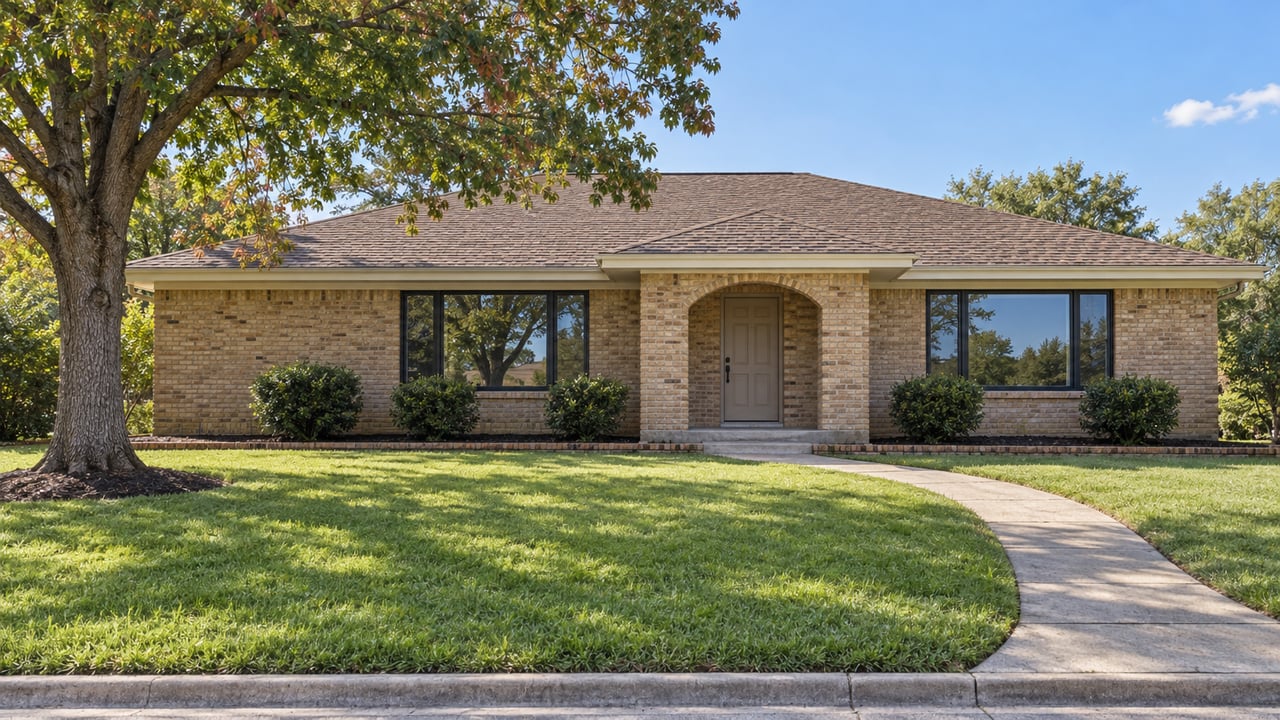
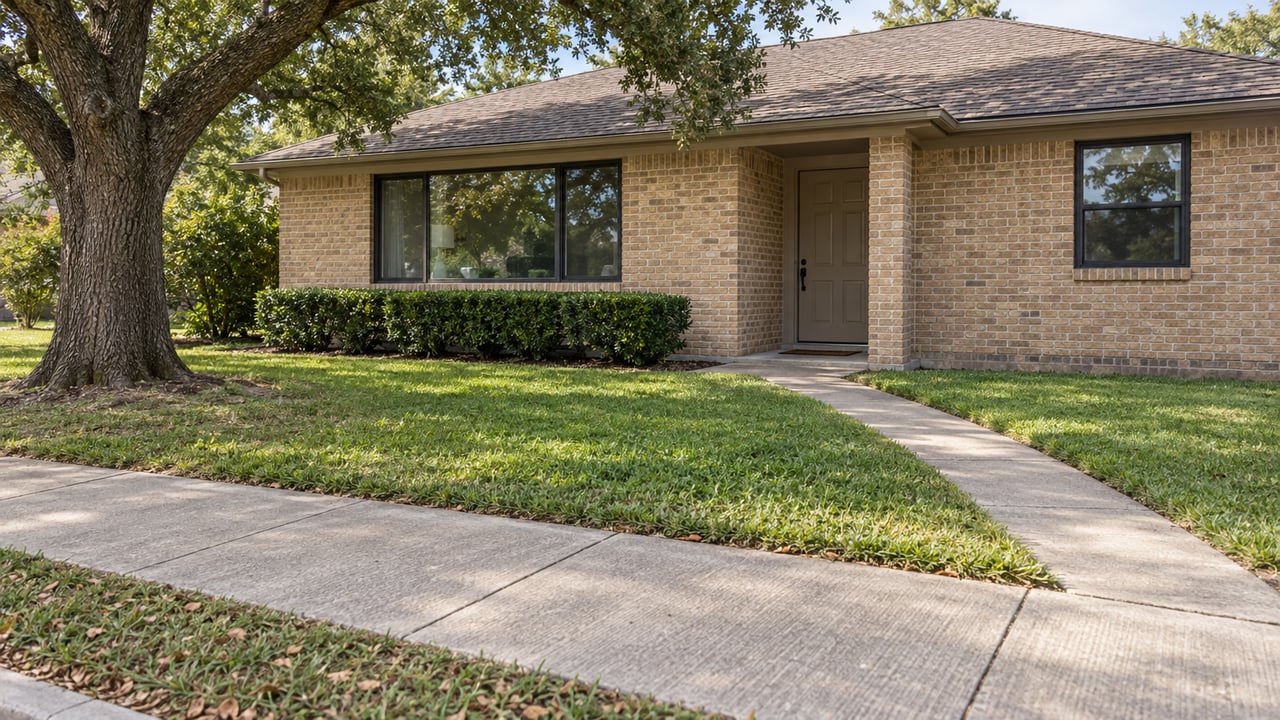
These tree-lined historic districts offer a quieter residential feel with single-family homes and many renovations. Commutes are an easy drive or bike, with some blocks a longer walk to core TMC buildings. Streets feel residential with larger lots in places.
Suits: Households seeking more space and character within city limits.
On-tour focus:
- Property condition and maintenance needs
- Yard size and stormwater features
- School zone verification by address
- Garage, driveway, and parking access
Montrose (east and nearby)
Montrose brings eclectic dining, arts, and independent shops. Housing ranges from apartments and townhomes to small single-family homes and new infill. Commutes are a short drive or bike, and walkability varies block by block.
Suits: Professionals who value dining variety and an urban vibe.
On-tour focus:
- Street parking and guest options
- Night and weekend noise patterns
- Distance to favorite cafes and studios
South Main and SoMo corridor
This emerging corridor mixes newer infill with renovated historic structures and loft-style options. Many buildings emphasize modern amenities. TMC access is strong by bike or short transit and parts are walkable.
Suits: Renters who want new-building perks and a balance of quiet and access.
On-tour focus:
- Amenity quality and gym hours
- Package room, staffing, and maintenance response
- Distance to light rail or key bus stops
Braeswood, Old Braeswood, and south of Hermann Park
These residential pockets feel more suburban while staying central. Housing is primarily single-family with mid-century and remodeled homes. Commutes are a short drive, with biking better for experienced riders comfortable with traffic.
Suits: Households who want more space and quieter streets.
On-tour focus:
- Lot size and landscaping needs
- Flood history and insurance considerations
- Drive-time variability at shift change
Practical checklist
Before you sign
- Test your commute during your actual shift times.
- Verify light rail, bus, and employer shuttle schedules for early or late hours.
- Confirm parking availability, costs, and guest policies.
- Ask about lease flexibility, furnished units, and renewal terms.
- Assess event and museum-night noise near the building.
- Map the closest grocery, pharmacy, and quick dining options and check hours.
- Review lighting and sidewalk conditions on your regular routes.
- Request floodplain information and ask about prior flood events.
- For families, confirm childcare options and check current K-12 zoning by address.
On-site tour checklist
- Time the walk, bike, drive, or transit trip to your exact building entrance.
- Look for secure access, 24-7 staffing, and package acceptance.
- Ask about maintenance response times for after-hours issues.
- Evaluate cell reception and Wi-Fi options inside the unit.
- Note elevator wait times during peak use.
- Visit at mid-day, late night, and a weekend to gauge noise and parking.
Next steps
If you want a central base near the Med Center, the Museum District gives you a strong mix of commute convenience, cultural energy, and green space. Your best fit will depend on your shift schedule, parking needs, and whether you prefer a lively block or a quieter street.
For a tailored shortlist and a tour plan focused on your routine, connect with a local, boutique advisor who knows these blocks building by building. Book an appointment with Brenna Abels to compare micro-areas, secure the right lease or purchase, and make your Houston move seamless.
FAQs
How long is the Museum District commute to the Texas Medical Center?
- Many Museum District locations are a 5 to 15 minute drive, a 5 to 15 minute bike ride, or a 10 to 30 minute walk depending on your exact address and building.
Is late-night public transit available for TMC shifts?
- Light rail and bus routes serve the corridor, but you should verify current schedules for early mornings, late nights, and weekends that match your shift.
Are furnished or short-term rentals common near the Med Center?
- They exist due to rotating clinicians and researchers, but inventory is tighter than standard leases, so start early and prioritize furnished and flexible term filters.
Where can I find quieter residential streets near the Museum District?
- Tree-lined single-family neighborhoods like Boulevard Oaks, Southgate, Southampton, and parts of Old Braeswood offer a more residential feel while staying close to TMC.
What should I check about parking before I commit?
- Confirm assigned spaces, monthly costs, guest rules, and nearby street-permit requirements, and consider event-night impacts on availability.