Choosing between the Galleria and the Energy Corridor can feel like picking between two great but very different versions of Houston. You want a home that fits your commute, your lifestyle, and your budget without surprises. In this guide, you’ll see how the two areas compare on housing types, travel times, transit options, green space, and day-to-day convenience so you can decide with confidence. Let’s dive in.
Start with your commute
Your daily door-to-desk time should be the first filter. The Galleria, also known as Uptown, sits about 6.2 miles west of Downtown and is one of Houston’s major business and retail hubs. Shorter distances to Downtown and the Texas Medical Center are a clear advantage for many professionals who choose Uptown. The Energy Corridor lines up along I-10 and Eldridge Parkway and is built around campus-style offices and suburban neighborhoods, which can make life easier if your job is there.
- Uptown location and context. Get an overview of the district’s setting and proximity to other job centers through the Uptown overview on Uptown Houston’s Wikipedia page.
- Energy Corridor overview. For a sense of its size, employment base, and footprint along I-10, review the Energy Corridor’s Wikipedia entry.
Expected travel time windows
Houston traffic can shift quickly with time of day and incidents. Use these conservative windows as a starting point, then test your exact addresses with live maps.
From a central Galleria address:
- To Downtown: off-peak about 10–25 minutes, peak about 20–45+ minutes. Uptown’s close-in location helps, but West Loop congestion is common.
- To Texas Medical Center: about 15–35 minutes off-peak and often 25–45 minutes in peak. Time can vary based on route and parking logistics.
- To the Energy Corridor: about 20–40+ minutes, depending on I-10 and whether you use toll alternatives. Incident delays can be significant. You can see sample route options on Rome2Rio’s Houston travel pages.
From a central Energy Corridor address:
- To local Energy Corridor offices: often 5–15 minutes, which is a big quality-of-life win if you work in the corridor.
- To Downtown: about 25–40 minutes off-peak and 35–60+ minutes at peak, with I-10 reliability as the key factor. See typical routing via Rome2Rio examples.
- To Texas Medical Center: about 25–50 minutes, depending on route and conditions.
Bottom line: if you need predictable daily access to an Energy Corridor campus, living in or near the corridor is usually best. If your work and client meetings are split between Uptown, Downtown, and TMC, living in or near the Galleria typically shortens and simplifies most trips.
Housing and budget fit
Each area shines for different home types and living styles. Your choice comes down to how you want to live day to day.
Galleria living: lock-and-leave convenience
In Uptown, you will find a high concentration of mid- and high-rise condominiums, luxury towers, mid-rise apartments, and select townhome enclaves. Single-family homes exist but are limited within the immediate district, with more options in nearby neighborhoods. The area attracts buyers and renters who want walkable restaurant options, retail at the doorstep, and shorter drives into major job centers. For pricing context, industry sources reported a median sale price around the low $300Ks for Uptown as of January 2026, with median rents in the low $2,000s in late 2025. Figures vary by data vendor and boundary, so request an up-to-date MLS snapshot when you are ready to tour.
For more on the retail and lifestyle draw in Uptown, explore the Galleria-Uptown neighborhood overview.
Energy Corridor living: more space and yards
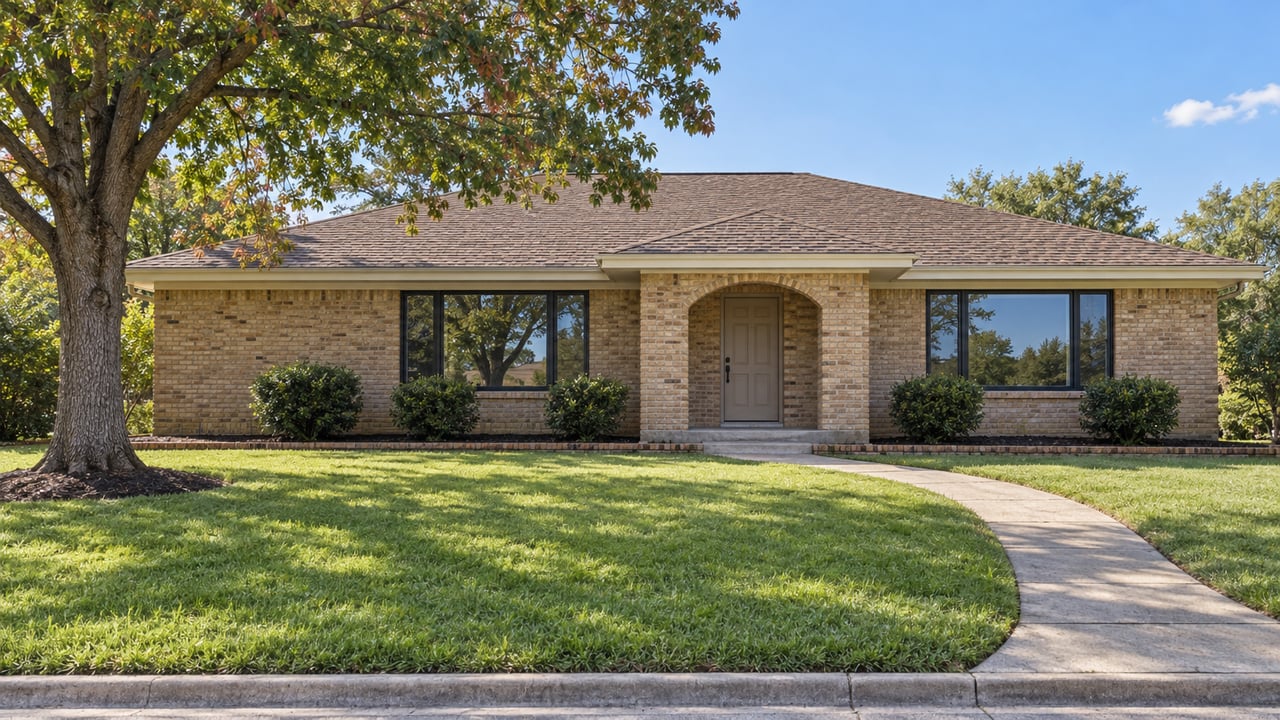
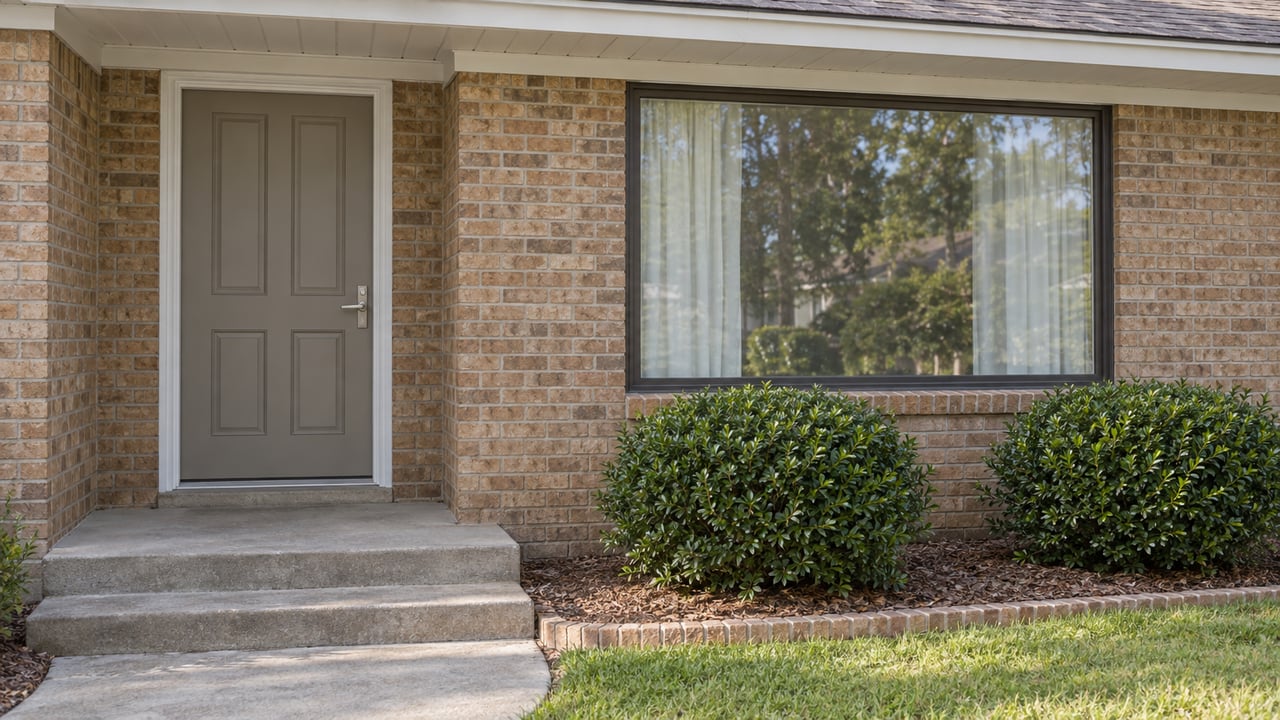
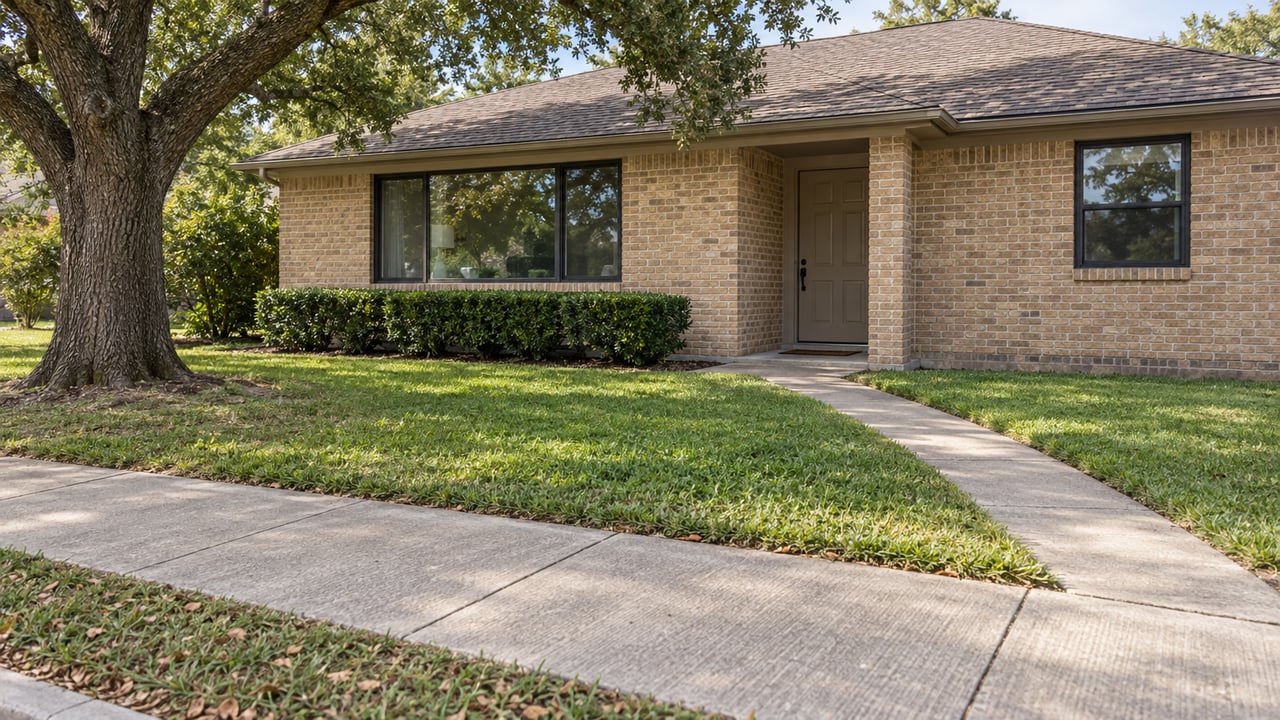
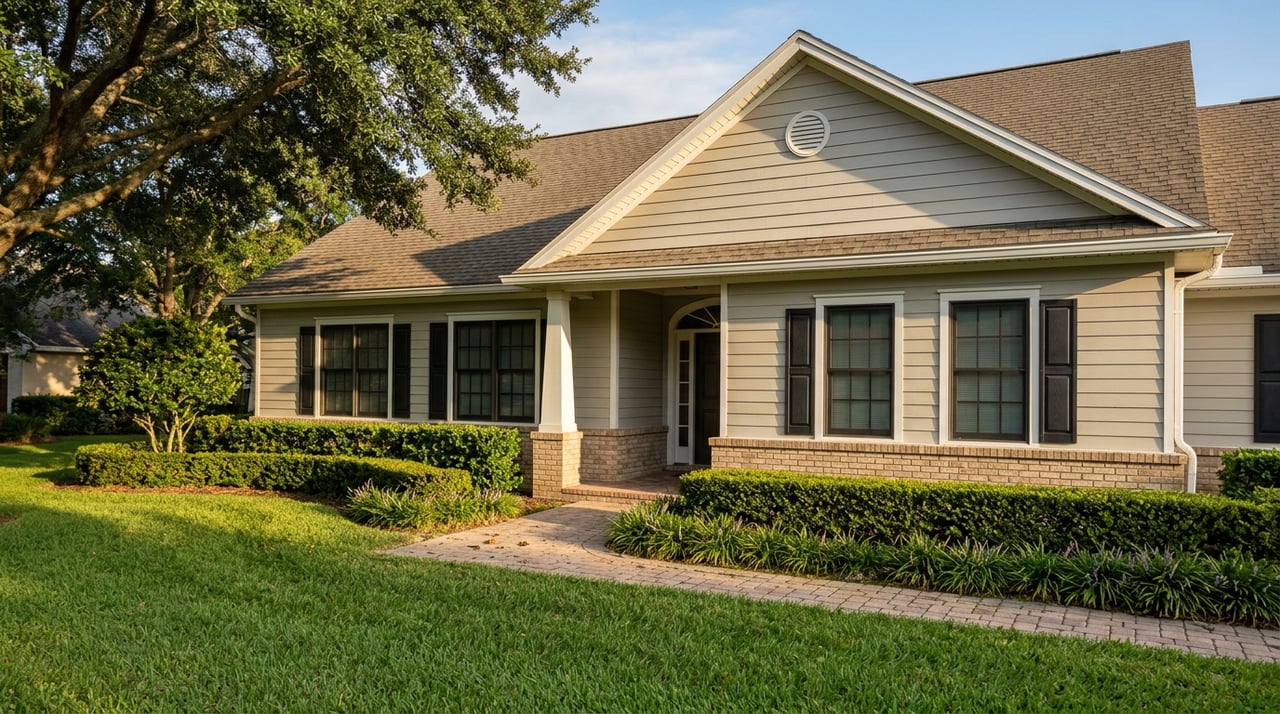
The Energy Corridor features single-family neighborhoods with a range of ages and styles, plus gated communities, lakeside patio homes, and a supply of townhomes and garden apartments closer to major roads. Many residents choose the area for easy access to corridor offices and large parks. Market snapshots showed a wide pricing range as different sources use different boundaries. One major data provider reported a median near the upper $500Ks for its Energy Corridor geo-area in January 2026, while other summaries placed medians in the mid $300Ks to mid $400Ks in late 2025 to early 2026. The spread reflects whether the dataset leans toward single-family homes or higher-end gated pockets. Always verify current pricing through MLS for your specific search area.
Getting around: roads and transit
The way you move through each area matters. The Galleria centers on the West Loop (I-610) with key east-west streets like Westheimer and San Felipe. The district also offers usable surface-street options for short cross-town trips. For a local view of traffic patterns and connectors, see Uptown’s getting-around guidance.
Transit options are stronger in Uptown than in most west Houston submarkets. The METRORapid Silver Line runs along Post Oak Boulevard with dedicated lanes and stations, adding a reliable link to regional bus and transit centers. If you want a car-light lifestyle, this is a meaningful plus. Learn more about METRO’s BRT on the METRORapid page.
The Energy Corridor is more auto-oriented, with most commutes using I-10, Beltway 8, and arterials like Memorial Drive and Eldridge Parkway. Park-and-ride and employer shuttles can help some commuters, but frequent local fixed-route transit is more limited than in Uptown. The region’s typical congestion and incident variability are well documented, and commute reliability is a key driver of livability. For broader context on commute performance and reliability, see this National Academies transportation summary.
Lifestyle and amenities
Galleria: retail, dining, hotels and events
If walkable retail and restaurants are your must-haves, the Galleria is tough to beat. The district is anchored by The Galleria, Texas’s largest enclosed mall with hundreds of shops, and surrounded by mixed-use centers that cater to client lunches, quick errands, and evenings out. See a snapshot of the area’s offerings on the Galleria-Uptown overview. The hotel scene is robust, which supports corporate lodging, conferences, and entertaining.
Recreation is improving too. Uptown has invested in pedestrian and cyclist connections toward nearby Memorial Park, including a funded bridge project that will enhance non-auto access. You can read about the bridge and connectivity plans in the Houston Chronicle’s coverage.
Energy Corridor: parks, trails, and open space
If you prefer large green spaces, the Energy Corridor delivers. Terry Hershey Park and George Bush Park provide miles of multi-use trails along the bayou and within reservoir lands. Many residents use these trails for running, cycling, and casual rides. Explore the trail network and park amenities through the Energy Corridor District’s parks and recreation guide.
Retail and services are spread across auto-oriented centers, with strong options for daily needs nearby. Office parks in the corridor have also been adding amenities like restaurants and fitness facilities, making a campus-work lifestyle easier on busy days.
Risk and infrastructure to plan for
Every relocation should include a resilience check. The Energy Corridor sits beside the Addicks and Barker reservoir system. These reservoirs protect downstream areas but can contribute to localized flood risk during extreme events. Buyers in both areas should review FEMA and local flood-control maps, understand a property’s past flood history, and confirm insurance needs with their insurer before closing. For a broader look at flood vulnerability in Houston after Harvey, see the Baker Institute’s analysis.
Transportation projects also shape livability. Uptown’s METRORapid Silver Line is already in service, and the Uptown–Memorial bridge project will improve park access. In the Energy Corridor, district and property owners continue to invest in streets and campus amenities to keep the area competitive.
Which one is right for you?
Use these quick scenarios to narrow your search:
- You work daily in the Energy Corridor and want a short, predictable commute. Choose the Energy Corridor or adjacent west Houston neighborhoods for a 5–15 minute door-to-desk most days.
- You split time between Uptown, Downtown, and the Texas Medical Center with frequent midday meetings. Choose the Galleria or nearby Inner Loop neighborhoods for shorter cross-town trips and transit options.
- You want lock-and-leave living with walkable dining and retail. Choose the Galleria for high-rise and mid-rise condos plus strong restaurant access and the METRORapid link.
- You want a yard, larger home, and quick access to trails and parks. Choose the Energy Corridor for single-family options and a greenbelt lifestyle.
Your relocation checklist
Work through these points to focus your home search and avoid surprises:
Primary work location. Uptown, Energy Corridor, Downtown, or TMC. Your daily site should drive neighborhood choice first.
Commute reliability. Decide whether you need a predictable 20–30 minutes or can accept 30–60 minutes some days. Reliability often matters more than straight-line distance. For a research view of reliability factors, see the National Academies overview.
Housing type. Lock-and-leave condo or townhome versus single-family with a yard. The Galleria skews condo and apartment, while the Energy Corridor skews single-family and gated communities.
Walkability and transit. If you want to walk to restaurants or use transit, Uptown’s METRORapid Silver Line and dense retail are advantages.
School logistics. Confirm school zones for any address and include school commute in your door-to-desk calculation. Zones vary within both submarkets.
Flood exposure. Review FEMA and local flood-control maps and understand insurance requirements. Start with high-level context from the Baker Institute’s study.
Corporate housing and guests. Uptown has a larger hotel cluster for short stays, while the Energy Corridor is well served by lodging along I-10 and campus-area hotels.
Ready to compare addresses and see how each option fits your day-to-day? Book an appointment with Brenna Abels to get an MLS-backed pricing snapshot, commute testing for your exact routes, and a tailored shortlist that fits your lifestyle.
FAQs
If I work in the Energy Corridor, should I live there?
- If your daily work site is in the corridor, living in or near it usually cuts commute time to about 5–15 minutes and reduces stress from I-10 incidents.
How long is the commute from the Energy Corridor to Downtown Houston?
- Typical off-peak drives run about 25–40 minutes and peak periods can stretch to 35–60+ minutes, with I-10 reliability as the major factor; test your exact route with live maps and review Rome2Rio’s sample routing.
Is the Galleria the same as Uptown Houston?
- Yes, the terms are used interchangeably for the same district centered on Post Oak Boulevard and Westheimer about 6 miles west of Downtown; see the Uptown overview for context.
How walkable is the Galleria area for dining and errands?
- Uptown offers dense retail and restaurant clusters anchored by The Galleria and nearby mixed-use centers, plus BRT service along Post Oak; preview the area on the Galleria-Uptown guide.
What flood risks should I consider in the Energy Corridor?
- The corridor borders the Addicks and Barker reservoirs, so localized risks can vary; review FEMA and local maps and read a high-level overview in the Baker Institute’s post-Harvey analysis.