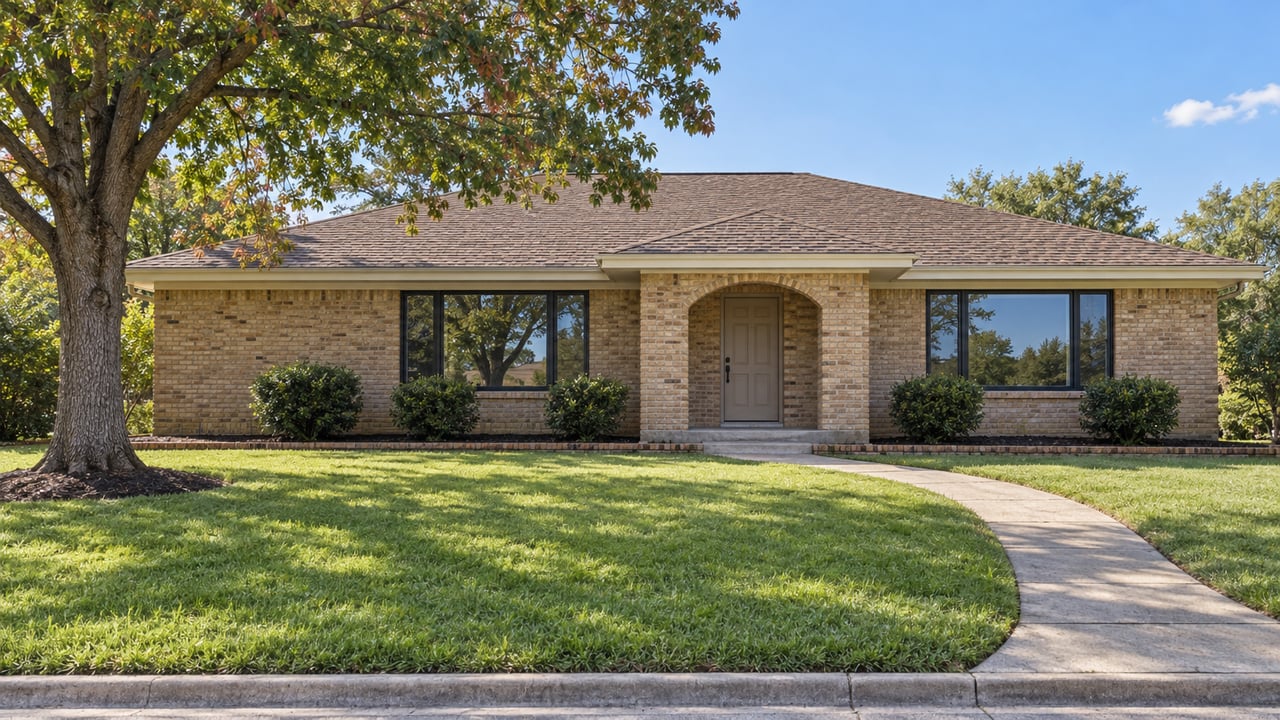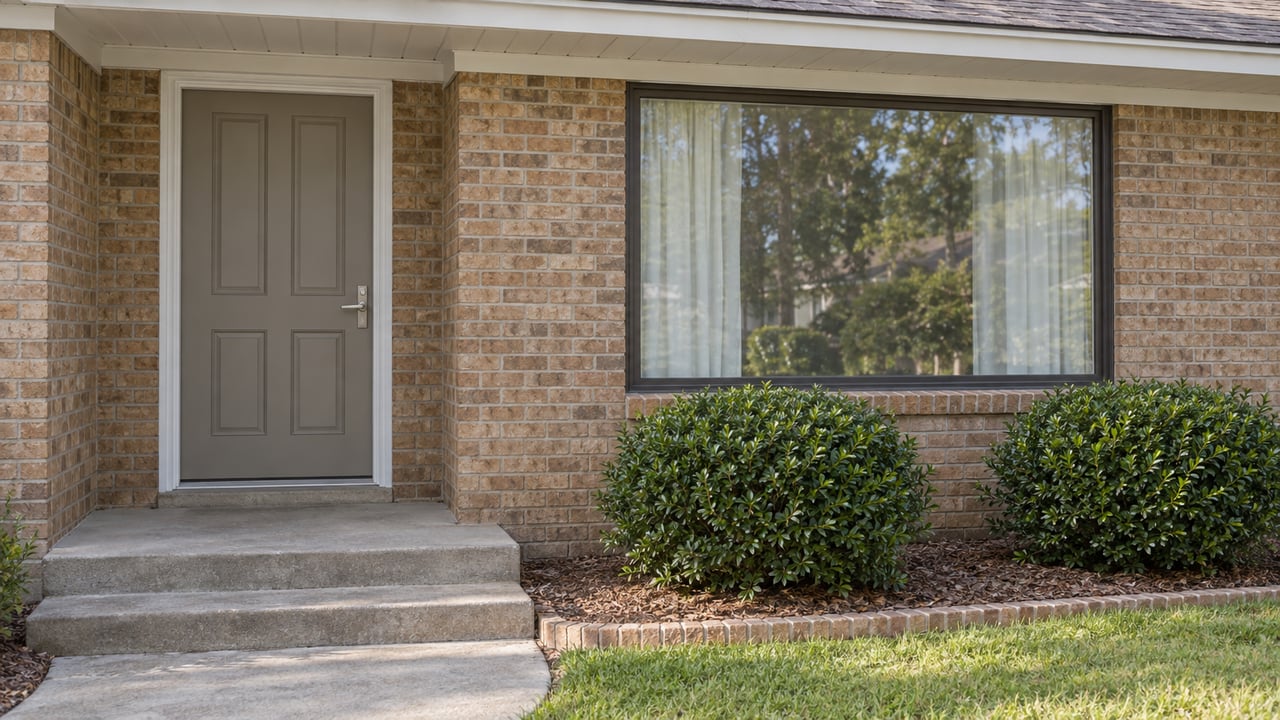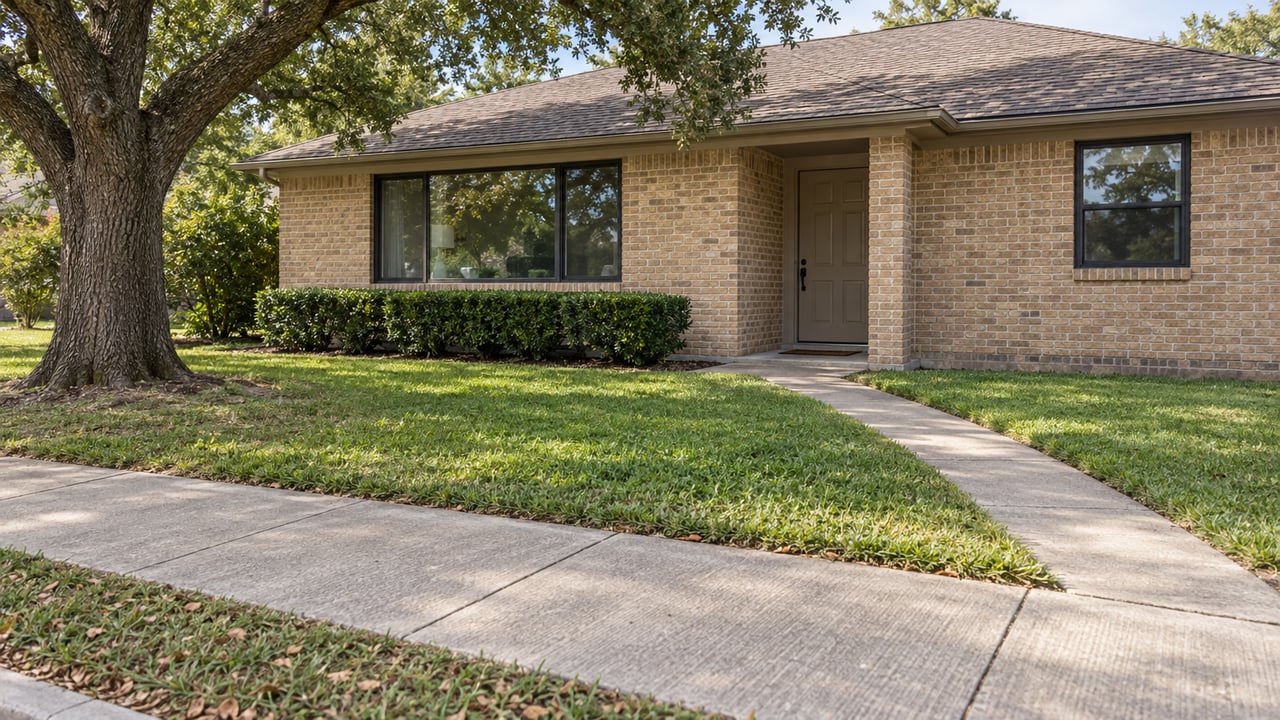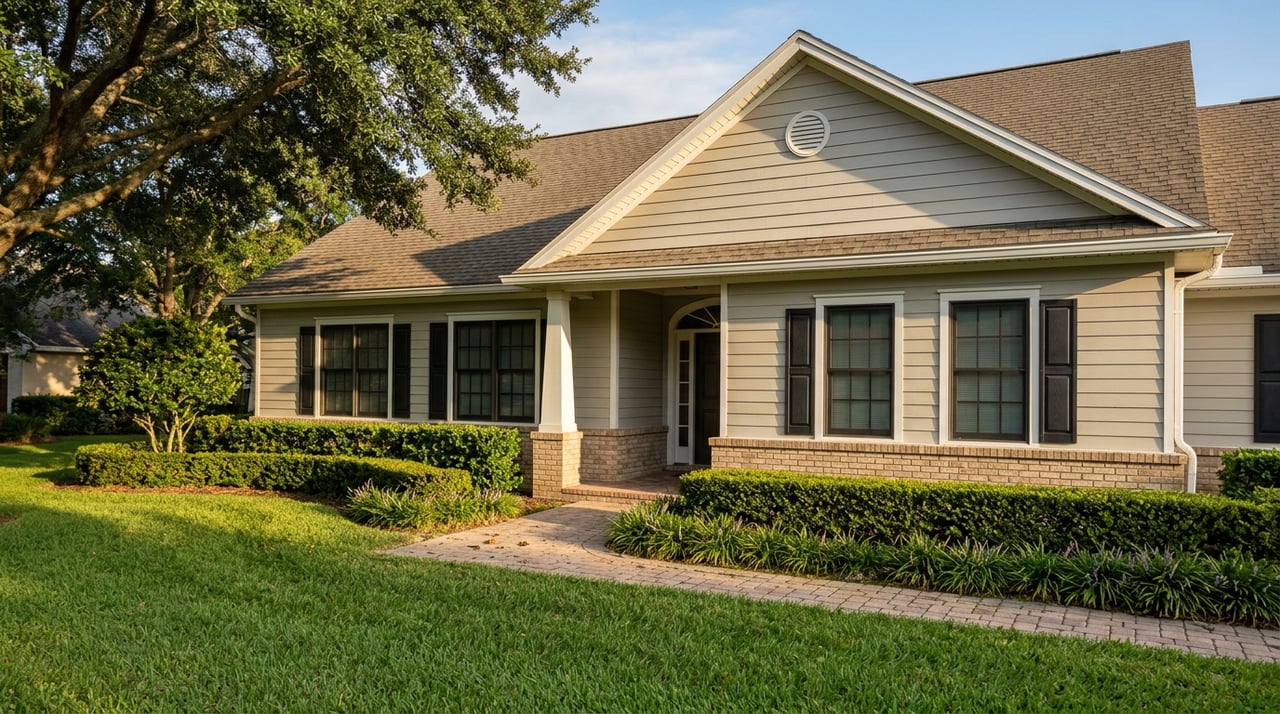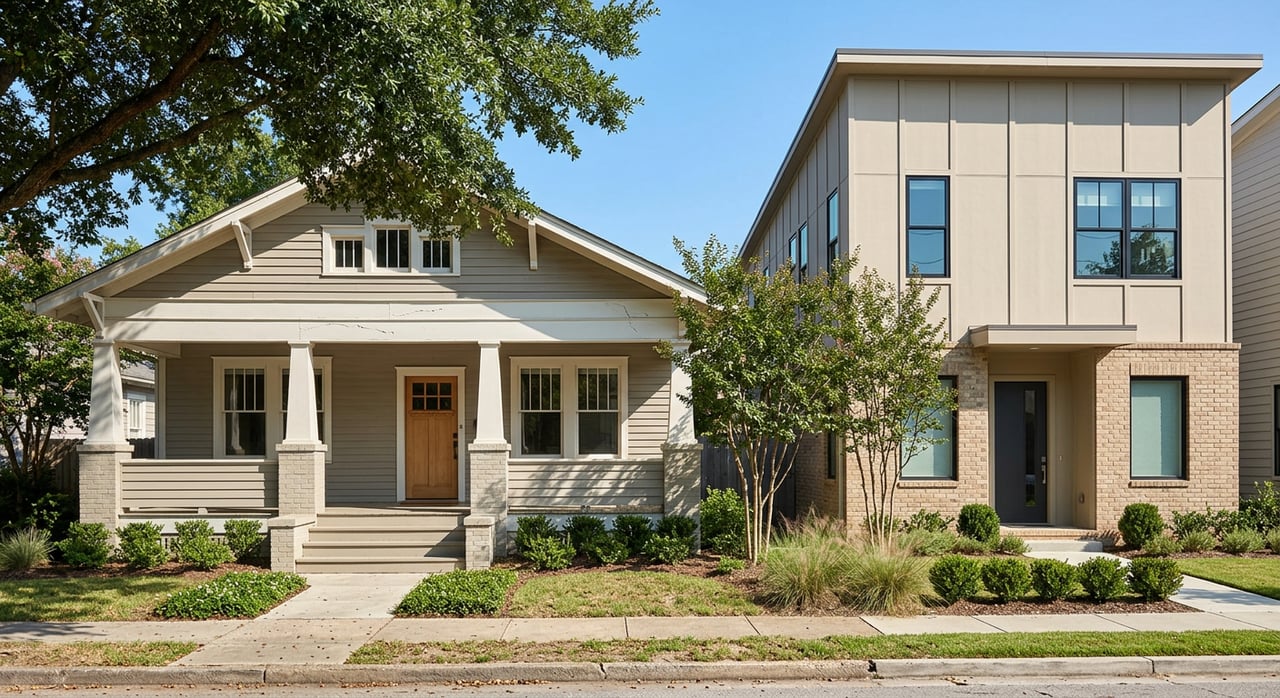
Porch swing or rooftop terrace? In the Houston Heights, you can have either vibe, which is why many 77008 buyers weigh a classic bungalow against a sleek new build or townhome. You want neighborhood character and walkability, but you also want smart systems, reliable insurance, and a home that fits your lifestyle. In this guide, you’ll compare what you really get with each path, from design and maintenance to approvals, financing, and resale factors. Let’s dive in.
The Heights market at a glance
Houston Heights blends historic character with steady infill. You will see early 20th‑century bungalows, renovated period homes, and contemporary single-family builds and townhomes on former tear‑down lots. Several locally designated historic districts sit within the neighborhood, which shapes what you can change on a home’s exterior and how new builds fit in the streetscape. You can confirm district boundaries for any specific address using the City of Houston’s overview of Houston Heights historic districts.
As of February 2026, the median sale price in 77008 is about $636,250. Pricing can shift block by block, especially with lot size and renovation level, so always anchor your search to a current CMA and recent comps.
Many buyers prioritize proximity to coffee, dining, and the trails. That is why some will trade a big yard for a lock‑and‑leave townhome or a renovated bungalow steps from 19th or 11th. The right choice for you comes down to how you want to live and what level of project you are ready to take on.
What you get with historic charm
Architecture and lots
The Heights is known for Craftsman bungalows and Folk Victorian influences, with front porches, wood details, and human‑scale massing that feel welcoming on foot. City guidelines protect the historic porch‑to‑street relationship and encourage compatible new work. If you want a refresher on how new and old should relate, the City’s Houston Heights Design Guidelines are a helpful visual reference.
Lot patterns matter for both renovation and expansion. Many historic blocks were platted with narrow, urban lots, and a common module you will hear is roughly 50 feet by 125 feet. City and HAHC records reference that typical dimension in reviews, such as the staff packet for a new home on Arlington that notes a 50 × 125 lot configuration. You can see a representative example in this HAHC staff report. Builders sometimes combine lots or replat corners to create larger footprints, so always check the survey.
Renovation reality check
Older homes deliver soul and curb appeal, but plan for systems work. In the Heights, typical early‑ownership budget drivers include foundation leveling or pier work, outdated wiring, aging plumbing, wood rot, and potential lead‑based paint in pre‑1978 homes.
- Foundations: Houston’s soils make foundation movement a known variable. Local experts note that minor pier‑and‑beam re‑leveling can be a few thousand dollars, while more significant pier or slab work can run into five figures. A structural engineer’s opinion is smart if you see sloping floors or wide cracks. Read more on the local context from CoreTech Foundation Repair.
- Electrical: Knob‑and‑tube wiring and undersized panels still turn up in older stock. Insurers and lenders may require upgrades or documentation from a licensed electrician, so build time and cost into your plan. See background on risks and insurance considerations from Angi’s overview of knob‑and‑tube.
- Lead safety: For pre‑1978 paint, federal rules require disclosure, and any renovation that disturbs painted surfaces needs lead‑safe work practices. Review the EPA’s homeowner guidance on lead‑based paint hazards and renovation to plan your scope.
Renovation budgets vary widely based on discovery, finishes, and scope. Cosmetic updates can be modest, but whole‑house or systems‑heavy work often reaches six figures on larger projects. A 15 to 25 percent contingency is practical on older houses.
Timelines and approvals
If the home sits in a locally designated historic district, any exterior change visible from the street can require design review and a Certificate of Appropriateness. That includes materials, window patterns, porch treatments, and sometimes garage placement. These steps protect the neighborhood feel, but they also add time. The City’s illustrated Houston Heights Design Guidelines show what typically wins approval.
What you get with new construction
Design and daily living
New single‑family infill often appears on former tear‑downs or combined lots, while attached townhomes efficiently use narrow parcels. Inside, you will usually find open floor plans, taller ceilings, integrated garages, and modern mechanical, electrical, and plumbing. Many builders elevate finished floors above advisory flood levels and orient main living spaces for better light and views.
Because systems are new, you can expect lower near‑term maintenance and better energy performance compared with unrenovated older stock. If you want to lock‑and‑leave close to dining and trails, a townhome can deliver that lifestyle with less yard work.
Warranties, energy, and costs
A major difference you can measure is warranty coverage. Many builders provide a 1‑2‑10 style warranty that covers workmanship for one year, major systems for two, and structural components for ten. Always get the terms in writing and know who administers claims. You can see a typical structure at 2‑10 Home Buyers Warranty.
New‑build premiums reflect land cost, square footage, finishes, and today’s code compliance. Taxes and assessed value can also be higher for new construction, and trees may be younger than what you see on established bungalow blocks. Some buyers feel modern infill reads differently than the classic Heights porch streetscape, which is worth considering if you prioritize a certain block feel.
Side‑by‑side trade‑offs in 77008
Historic bungalow or renovated original
- Pros: authentic character and front‑porch life, mature canopy, unique details, and walkable blocks. You can also capture value through thoughtful updates.
- Cons: likely near‑term systems and structural work, and if the home is in a local historic district, exterior changes may require design review. Hidden issues can add cost.
New construction or townhome
- Pros: modern systems and insulation, warranty backing, open plans, and often elevated finished floors. Lower short‑term maintenance is typical.
- Cons: smaller private yards on many townhomes, potentially higher tax assessments, fewer mature trees, and a different scale or feel than historic blocks.
Due diligence checklist for Heights buyers
Use this quick list to keep your search on track. When in doubt, verify parcel by parcel, since status and conditions change from house to house.
- Confirm historic‑district status: Look up whether the address is inside a local district and review what that means for exterior work using the City’s Houston Heights historic districts and the Houston Heights Design Guidelines.
- Flood diligence: Check FEMA maps, request the seller’s disclosure and prior flood‑claim history, and ask for an elevation certificate. The Houston Sunset Heights civic page links out to city and county resources that are helpful for first‑pass checks; start with the City and County services page.
- Order specialized inspections if red flags appear: Structural engineer for foundation symptoms, licensed electrician for older wiring, lead test for pre‑1978 paint, and termite inspection. Background on older wiring risks is summarized in Angi’s knob‑and‑tube guide.
- Verify lot size and setbacks: Review the survey and, if you plan additions, discuss feasibility with your architect and the City. Historic Heights packets often reference 50 × 125 lots, as in this representative HAHC staff report.
- Plan financing early if renovating: If your target needs systems or structural work, consider FHA’s renovation loan. The 203(k) program can bundle repairs into your mortgage, subject to standards and appraisals. Review HUD’s 203(k) consumer fact sheet.
- Ask for documentation: Request permits history, any engineering or foundation reports, and past Certificates of Appropriateness for exterior work. This sets expectations for future projects.
Choosing your fit: a quick framework
- Start with lifestyle. Do you want porch conversations, gardening, and a classic streetscape, or do you value low‑maintenance living near retail with a garage and modern systems? Picture a weekend day and decide which setting supports it.
- Define your project appetite. If you prefer a move‑in‑ready experience with a warranty and fewer surprises, a newer build may be the better path. If you enjoy design and are prepared for discovery, a bungalow renovation can be rewarding.
- Set a total cost view. For older homes, include systems updates, approvals, contingency, and insurance. For new builds, consider taxes, HOA fees if any, and your must‑have upgrades.
- Walk the exact blocks. The Heights is hyper‑local. Streets one over can have a different feel, tree canopy, or lot pattern. Touring at different times of day helps lock in your choice.
When you are ready to explore specific addresses, set up tours that compare apples to apples. For example, a renovated 1920s bungalow on a standard lot versus a new single‑family infill on a combined parcel, or a classic porch‑front home versus a three‑story townhome near the trail. A side‑by‑side tour will make the decision click.
If you want tailored guidance on lot patterns, renovation scope, and market position on your short list, reach out. With long‑tenured Heights expertise and a design‑forward eye, Brenna Abels can help you compare options, read the fine print, and move with confidence.
FAQs
What do historic district rules mean for Heights homeowners?
- In locally designated districts, many exterior changes visible from the street require design review and a Certificate of Appropriateness, guided by the City’s published Houston Heights Design Guidelines.
How big are typical Heights lots, and why does it matter?
- Many blocks reference a common 50 × 125 foot lot pattern, which affects buildable area, additions, garage placement, and overall massing, so verify your survey and setbacks early.
What early costs surprise buyers of older Heights homes?
- Common items include foundation leveling or pier work, electrical panel or wiring upgrades, plumbing repairs, wood rot, and potential lead‑safe practices for pre‑1978 paint.
Do new builds in 77008 usually come with a warranty?
- Many builders offer a 1‑2‑10 style warranty covering workmanship, major systems, and structural components on separate timelines, so request and review the written terms.
Can I finance a Heights renovation in my mortgage?
- FHA’s 203(k) renovation mortgage can combine purchase and rehab costs, subject to program standards, appraisals, and lender approval; talk with your lender early to confirm fit.
How should I evaluate flood risk for a Heights property?
- Review FEMA maps, request an elevation certificate, and check the seller’s disclosure and any prior claims; local civic and county resources provide helpful first‑pass flood data.