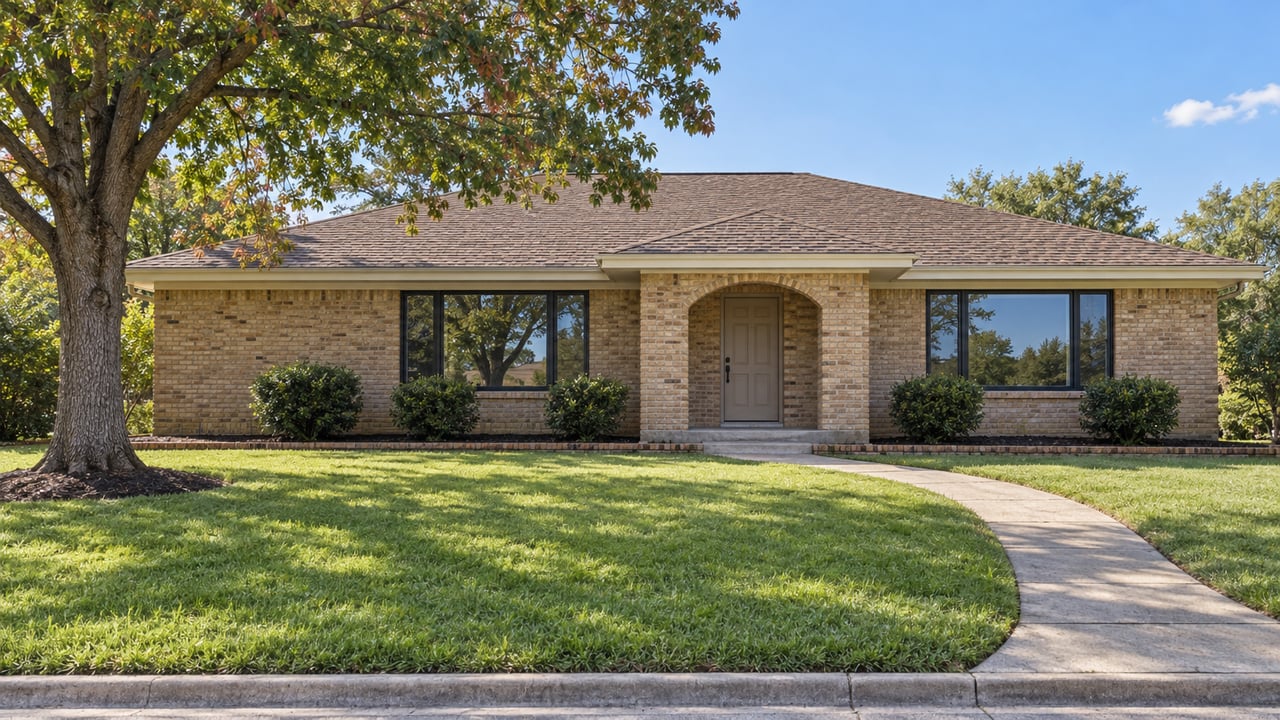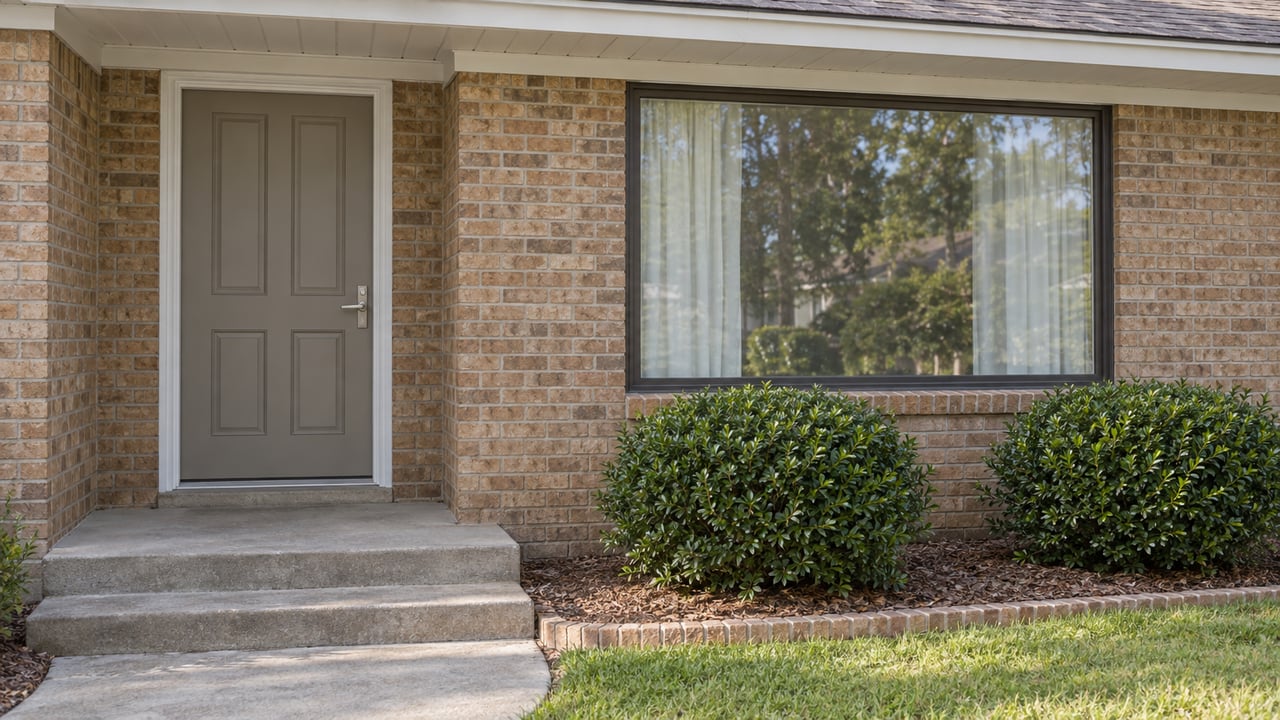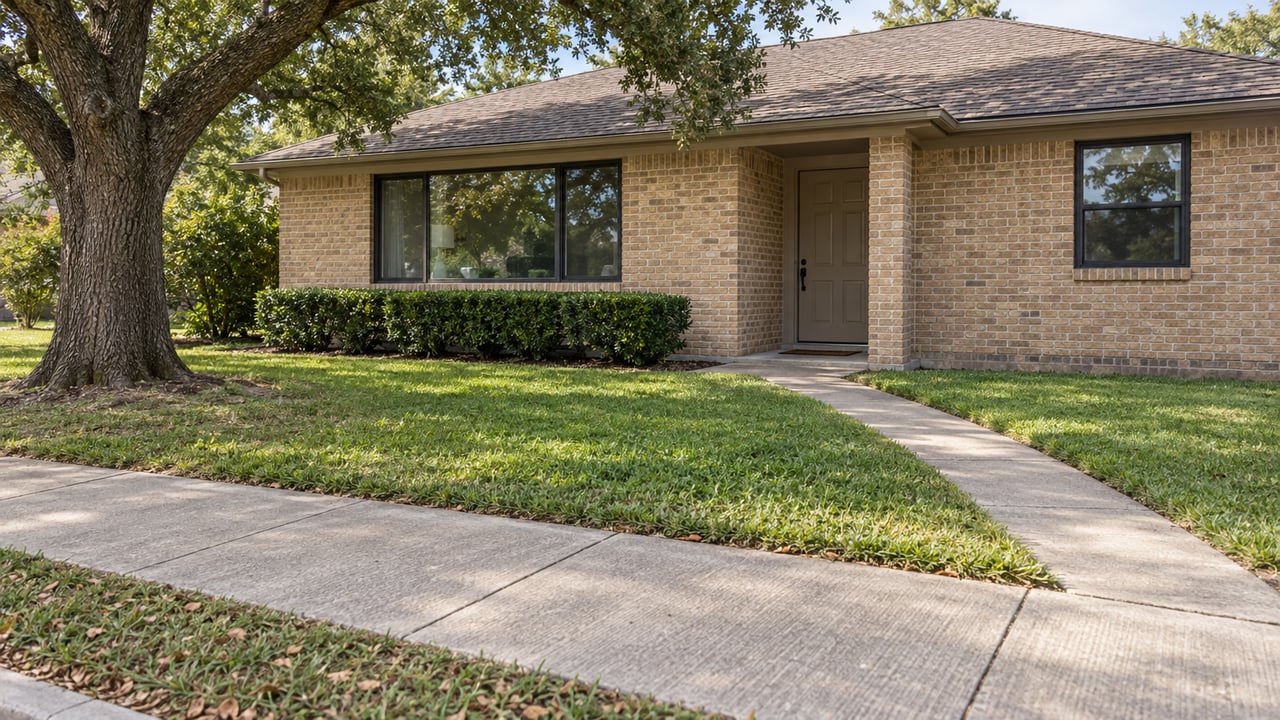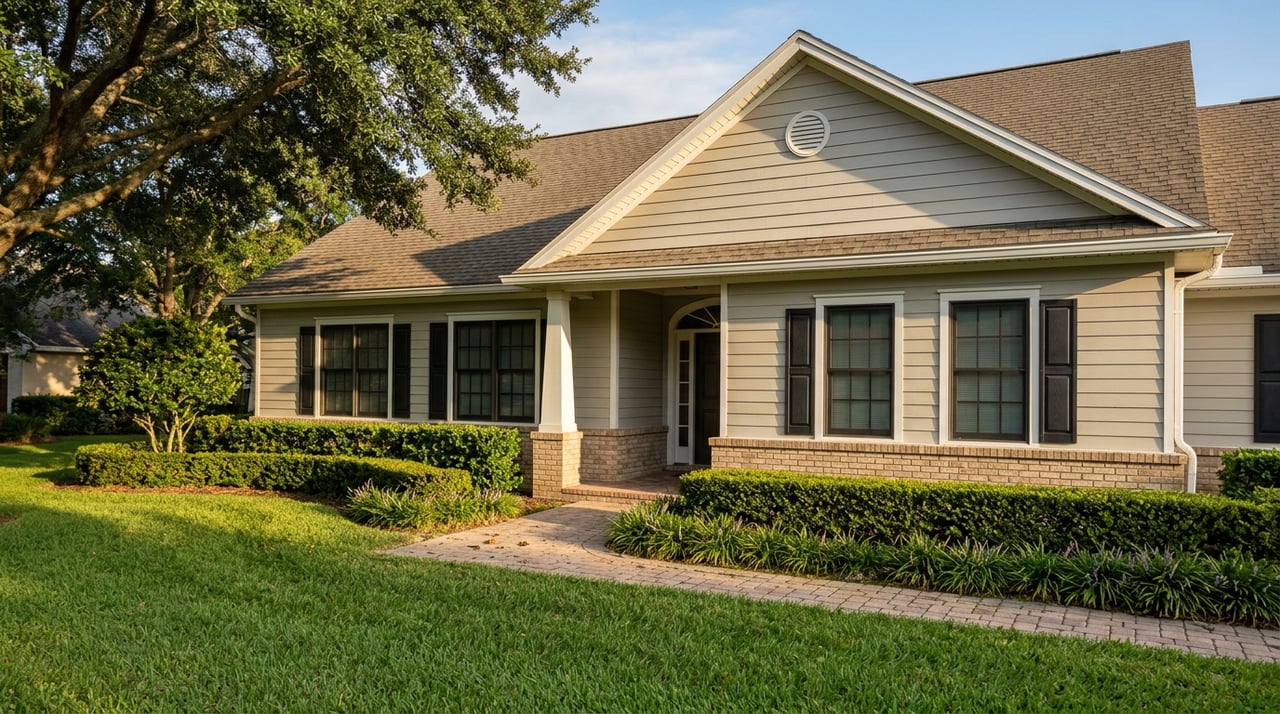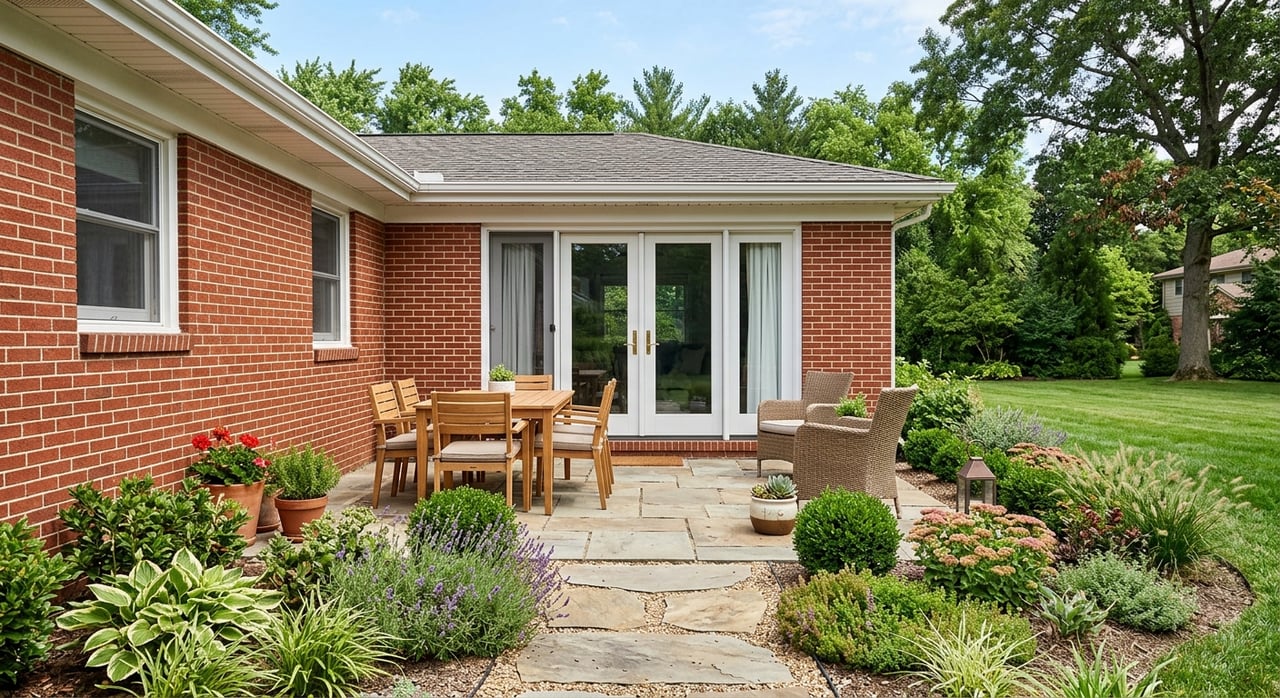
If you love the idea of staying close to the heart of Houston but no longer want the same amount of house to manage, West University Place can feel like a smart next chapter. Downsizing here is not always about spending less or moving far away. Often, it is about simplifying daily life while staying in a well-established, primarily residential city with strong municipal services and convenient access to major Houston destinations. Let’s dive in.
Why West U Appeals to Downsizers
West University Place is a small, built-out city of about 2 square miles that sits minutes from downtown Houston, Rice University, the Texas Medical Center, and the Galleria/Uptown area, according to the City of West University Place. That central location can be a major advantage if you want less home upkeep without giving up access to work, medical care, dining, or familiar parts of Houston.
The city also offers a full level of municipal services, including police, fire, water, wastewater, and solid waste collection. For many downsizers, that kind of infrastructure supports a more manageable day-to-day routine.
There is also a sense of long-term stability here. The U.S. Census Bureau QuickFacts show a 2024 population estimate of 15,149, an owner-occupied housing rate of 93.4%, and that 88.5% of residents lived in the same home one year earlier. In plain terms, West U tends to be a place where people put down roots.
What Downsizing Looks Like in West U
If you are picturing a wide range of smaller homes, condos, and easy-lock-and-leave options throughout the city, it helps to reset expectations. West University Place is largely devoted to single-family residential use, and the city’s comprehensive plan emphasizes preserving its traditional single-family character.
That matters because downsizing in West U usually means finding the right-size property, not necessarily a dramatically smaller or lower-cost one. Census data show a median owner-occupied home value of $1,406,600, which reflects the market’s premium position.
The city’s housing history gives useful clues. The comprehensive plan notes that West U originally included small cottages, bungalows, and two-story homes, but many of those have been replaced over time by larger custom-built homes. Since the city is largely built out and not expected to add many housing units, downsizers are often competing for a limited set of practical options.
Most Realistic Home Types
Inside West U, the most realistic downsizing targets are often:
- Smaller detached single-family homes
- Older cottages or bungalows that have been updated
- Townhome-style properties in properly zoned pockets
The city’s planning documents note that non-single-family development is generally limited to the periphery or properly zoned areas, and the zoning review page references a town-home district on Kirby Drive. That does not mean attached housing is common everywhere in West U. It means your search may need to be highly focused and patient.
Set Your Downsizing Priorities Early
Before you start touring homes, define what “smaller” really means for you. Some downsizers want less square footage. Others want less yard work, fewer stairs, newer systems, or a floor plan that feels easier to live in long term.
In West U, those goals do not always come together in one property. A charming cottage may reduce your footprint but still need updates. A townhome-style option may offer lower exterior maintenance but be available only in limited areas. A newer home may be move-in ready but larger than you originally planned.
Questions Worth Asking Yourself
Use these questions to guide your search:
- Do you want to stay in a detached home?
- Is first-floor living important to you?
- How much outdoor space do you actually want to maintain?
- Would you consider a townhome in a properly zoned area?
- Do you want a move-in-ready home, or are light updates acceptable?
- Will you need space for guests, hobbies, or a home office?
These answers can help you avoid a common downsizing mistake: choosing a house that is technically smaller but does not truly simplify your life.
Plan the Sale and Purchase as One Move
For most downsizers, the biggest challenge is not just finding the next home. It is coordinating the sale of the current one with the purchase in a way that reduces stress, protects timing, and leaves room for the real costs involved.
Freddie Mac notes that selling a home often includes real estate commissions, closing costs, taxes and fees, plus out-of-pocket spending for repairs and improvements such as staging, carpet cleaning, interior painting, landscaping, and general repairs. According to Freddie Mac’s guide to the costs of selling, commissions typically range from 3% to 8% of the sale price.
On the purchase side, Freddie Mac’s closing cost overview explains that buyers should budget for lender, agent, and third-party fees. It also recommends a home inspection, title search, reviewing closing documents before closing, and completing a final walk-through about 24 hours before closing.
Why Timing Matters in West U
Because West U is largely built out and inventory can be limited, your move often works best as a sequence rather than a single leap. You may need time to prepare your current home for market while also watching closely for the right smaller property to appear.
Freddie Mac’s homebuying timeline says buyers should try to do mortgage shopping within a 45-day period and notes that finding a home can take around 10 weeks on average. A pre-approval letter also helps you establish your budget and show sellers that you are serious.
Build a Practical Downsizing Timeline
A realistic timeline can make the process feel much more manageable. The exact order will depend on your finances and flexibility, but most downsizers benefit from planning earlier than they think they need to.
A Simple Sequence to Follow
Clarify your goals Decide what you want to keep, what you want to let go of, and what kind of home will support your next stage of life.
Review your budget Consider sale proceeds, expected selling costs, buyer closing costs, and any repairs or updates on either end.
Prepare your current home Build in time for cleaning, painting, repairs, and presentation work before listing.
Get pre-approved A pre-approval letter can help sharpen your price range and strengthen your position when the right home appears.
Search with patience In West U, the best downsizing fit may not be the first home you see.
Leave room for inspections and final review An inspection contingency can give you the chance to evaluate the property before closing.
Plan for permit-related work if needed If your current home or your next one needs improvements, timing matters.
The city’s permitting and plan review page says more complex plans requiring zoning or setback review typically take about 10 to 15 business days. If you are considering even modest pre-sale improvements or post-purchase changes, that review time should be part of your schedule.
Think Beyond Square Footage
A successful downsize is not just about owning less house. It is also about making everyday life easier. In West U, convenience can come from city services, recreation access, and support programs just as much as from a smaller lot.
The city’s Senior Services page outlines programs for active adults ages 50 and up, including exercise programs, day trips, transportation, volunteer opportunities, a handyman program for minor home repairs and odd jobs, Words on Wheels library delivery, and porch trash and recycling pickup for residents with special needs. For some downsizers, those services can make staying independent feel more realistic and comfortable.
West U also supports an active daily routine. The Recreation Center is described as the city’s hub for fitness and wellness, and park amenities include walking tracks, paved walkways, walking paths, lighted tennis courts, and outdoor fitness equipment.
On the practical side, solid waste services include curbside trash collection twice a week, recycling once a week, yard waste collection, bulk trash pickup, and a published street sweeping schedule. If part of your goal is reducing maintenance, these details matter.
Check Flood Risk Before You Buy
In any Houston-area move, flood awareness should be part of your due diligence. In West University Place, the city says most of its floodplain is adjacent to Southside near Poor Farm Ditch and that flood zones are within the Buffalo Bayou and Brays Bayou watersheds.
The city’s flood hazard guidance directs residents to FEMA Flood Insurance Rate Maps and Harris County flood mapping tools when evaluating a property. That means a downsizer should not assume a smaller home automatically brings fewer concerns. It is worth checking flood-related information early, especially if you are comparing several homes.
Work With a Focused Strategy
West U can be an excellent place to downsize, but it rewards preparation. The city is established, largely built out, and shaped by a housing stock that does not always offer abundant smaller-home choices. That makes timing, property selection, and clear priorities especially important.
If you are thinking about selling your current home and finding a better-fitting place in West University Place, working with a neighborhood-focused plan can help you move with more confidence. Brenna Abels can help you evaluate your options, prepare your current home for the market, and search for the right next property with a strategy tailored to West U.
FAQs
What kinds of homes are realistic for downsizers in West University Place?
- The most realistic options are often smaller detached homes, updated cottages or bungalows, and some townhome-style properties in properly zoned areas.
Is West University Place a good fit if you want less maintenance?
- It can be, especially if you value city services like scheduled trash and recycling pickup, yard waste collection, bulk pickup, and access to senior support programs.
How competitive is the West University Place market for downsizers?
- West U is largely built out, has high owner occupancy, and limited turnover, so finding the right smaller home may take patience.
What should you budget for when selling and buying during a downsize?
- You should plan for seller closing costs, possible commissions, repairs and presentation work, plus buyer closing costs, inspections, and other transaction-related expenses.
Why should downsizers check flood information in West University Place?
- The city identifies floodplain and watershed areas within West U, so reviewing FEMA and Harris County flood maps is an important part of evaluating any property.
How far in advance should you start planning a downsize into West University Place?
- Starting early is helpful because you may need time for home prep, mortgage pre-approval, a home search that can take weeks, and any permit-related improvements.