Moving to Houston for work and wondering where you can find a practical commute, flexible housing options, and a little breathing room? The Energy Corridor often lands on the shortlist for good reason. If you are relocating and want a clear picture of what daily life looks like here, this guide will walk you through the area’s housing, commute patterns, outdoor access, and key details to verify before you make a move. Let’s dive in.
Where Energy Corridor Is
The Energy Corridor is a west Houston district that stretches along both sides of Interstate 10 from Kirkwood Road to west of Barker Cypress Road, then south along Eldridge Parkway to Briar Forest Drive. It covers more than 2,000 acres and functions as both a business hub and a residential area.
This is not a compact urban neighborhood with one central main street. Instead, it is a broad district with office campuses, apartments, townhomes, residential communities, retail, and access to major roads. For many newcomers, that mix is exactly the appeal.
Why Newcomers Consider Energy Corridor
If your job is tied to energy, engineering, industrial services, or related corporate work, the Energy Corridor may feel immediately familiar. The district reports more than 56,000 local jobs and more than 60,000 daily commuters, with major employers including bp, Shell, CITGO, ConocoPhillips, Baker Hughes, Enbridge, Fluor, Kiewit, McDermott, SBM Offshore, and MD Anderson West Houston.
That employment base shapes the area in a practical way. You will notice that many people choose this part of Houston because they want to live near work, shorten drive times, or stay on the west side while still having access to the rest of the city.
Housing Options in Energy Corridor
One of the biggest advantages for relocating buyers and renters is variety. The district describes a mix of private and gated communities alongside modern luxury apartments, and its apartment inventory includes options like The TEAK, The Grand on Memorial, Village on Memorial Townhomes, The Watt, and MAA Energy Park.
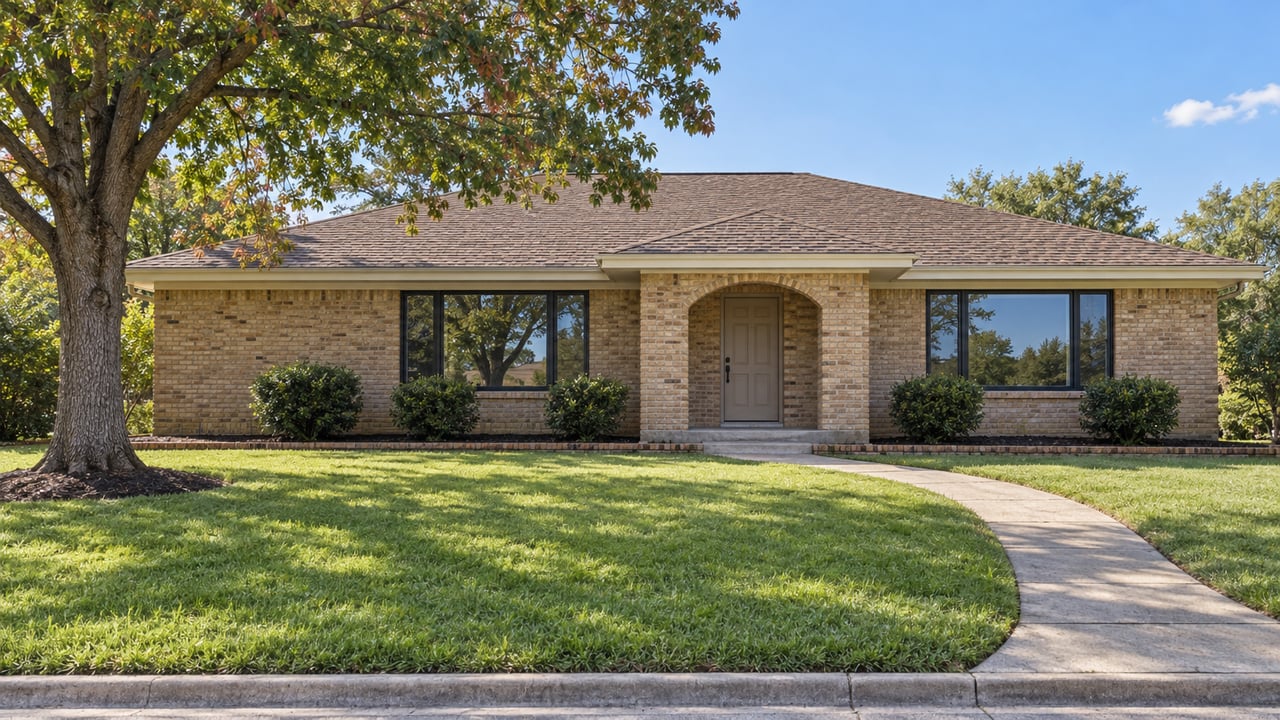
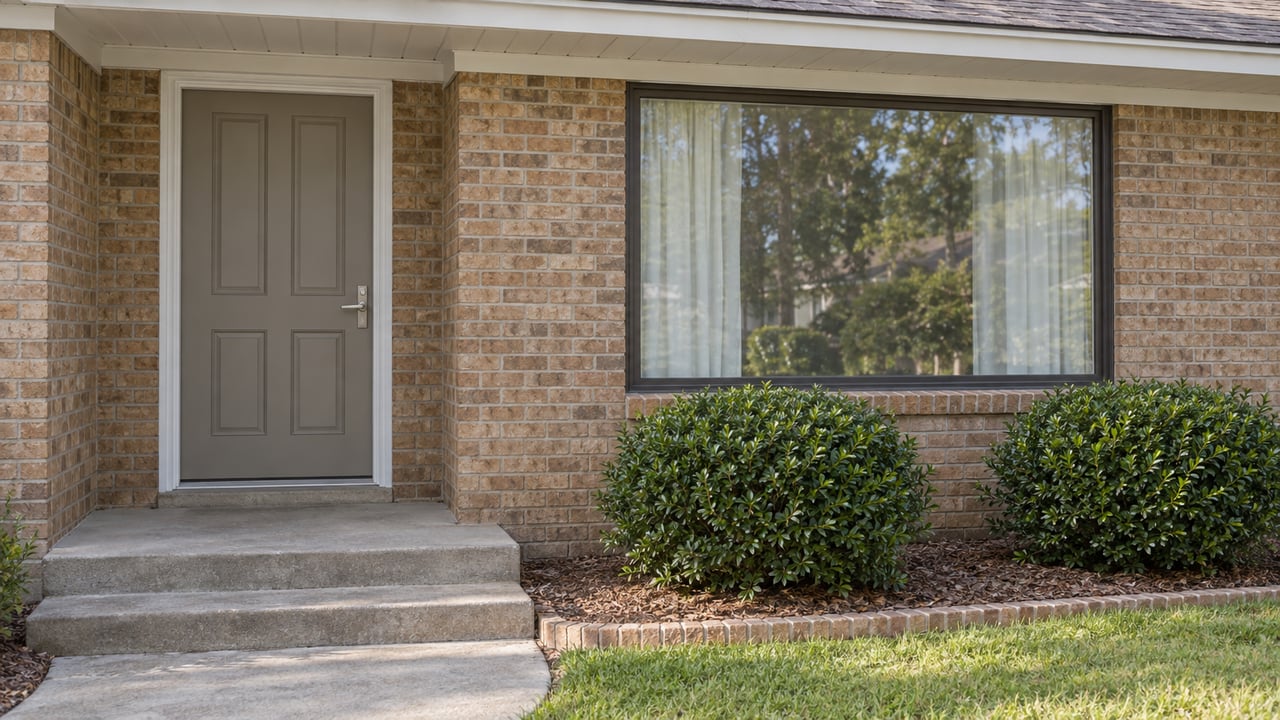
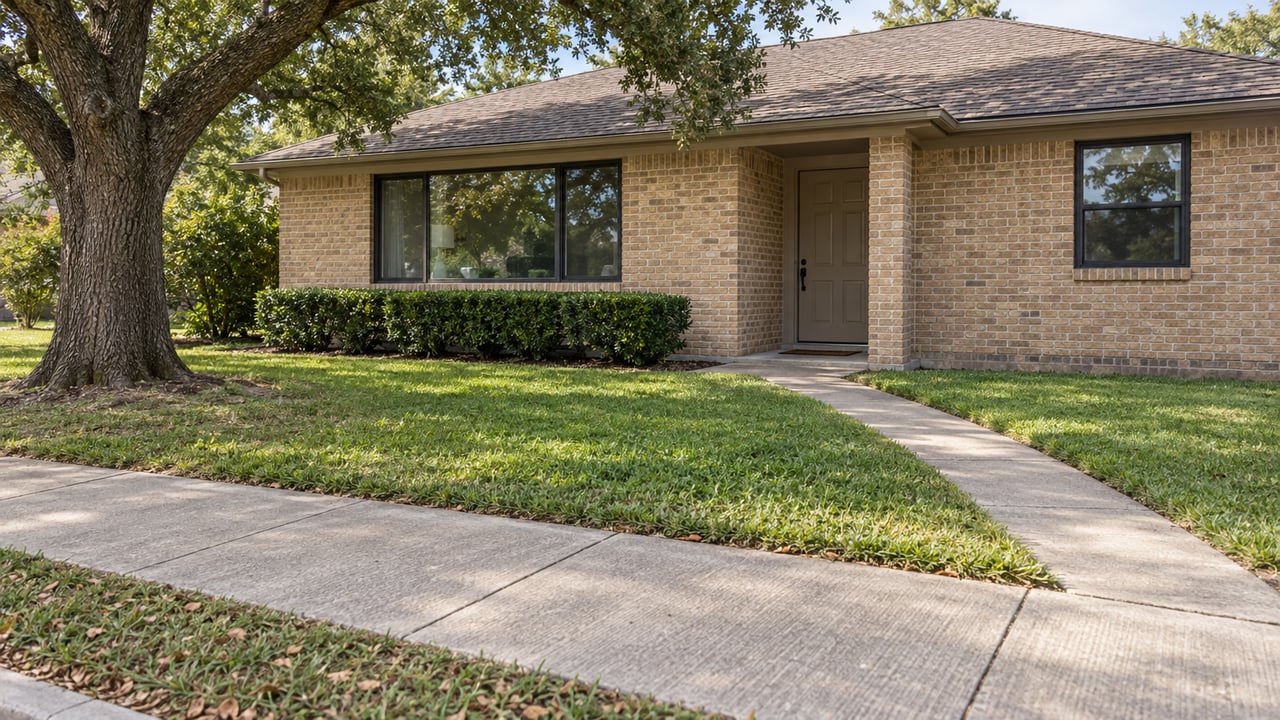
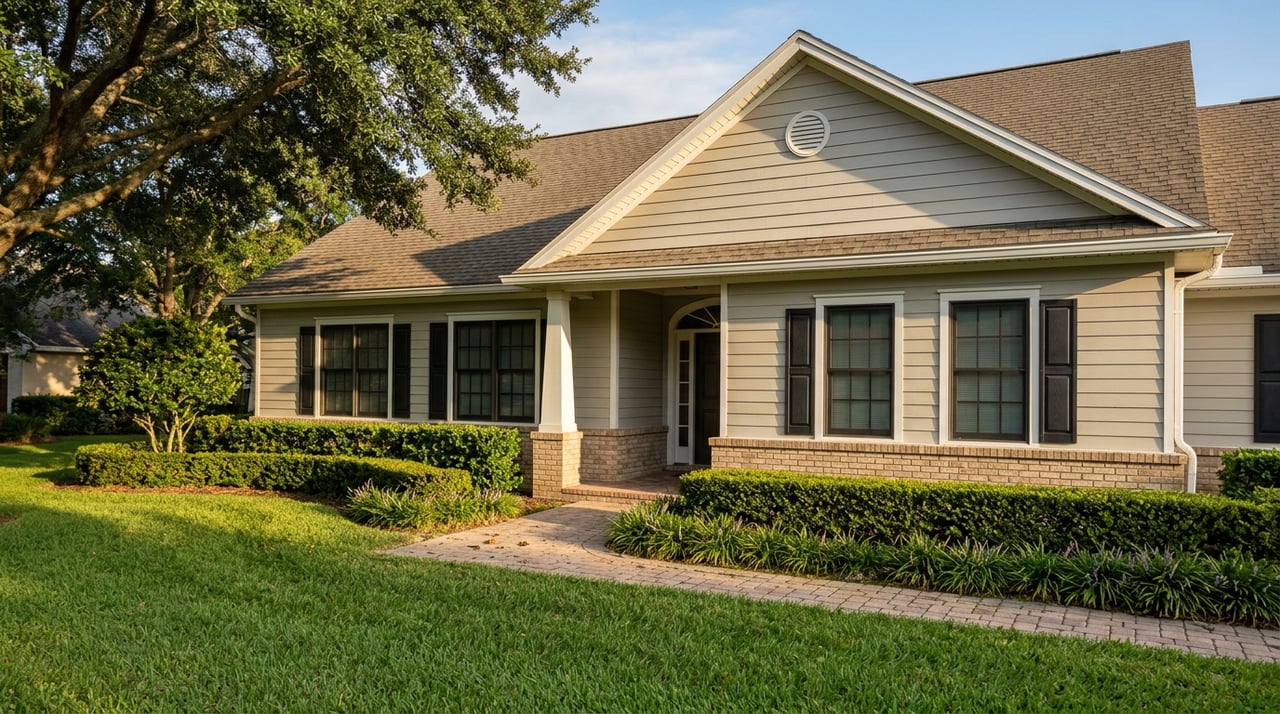
That means you are not locked into one housing style. Depending on your budget and timing, you may be choosing between an apartment, a townhome, or a single-family home, all within the same broader district.
Buying in Energy Corridor
Current market data shows 58 active for-sale listings in the area. Realtor.com reports a median listing price of $399,000 and a median price per square foot of $175, while Redfin reported a median sale price of $350,000 in March 2026.
For buyers, the market appears to offer some negotiating room. Realtor.com classified Energy Corridor as a buyer's market in May 2026, and Redfin reported median days on market of 50 with a sale-to-list price ratio of 95.2%.
Renting in Energy Corridor
If you are relocating before making a long-term purchase, renting can be a smart first step. Realtor.com shows 158 rentals in the area, with a median rent of $1,650 per month.
That rental supply matters for newcomers who want flexibility. If you need time to learn Houston traffic patterns, office locations, or school assignment boundaries, leasing first can give you a useful transition period.
Prices Vary by Pocket
The Energy Corridor is not one uniform price band. Realtor.com data shows some pockets trading above the broader area median, including Fleetwood with a median listing price of $664,500 and Parkway Villages at $574,950.
In simple terms, you can think of the district as ranging from mid-market to upper-mid-market, with some higher-priced sections mixed in. That is why neighborhood-level guidance matters when you start comparing options.
Commute and Transportation Basics
For many relocating professionals, commute time is the first filter. According to the district, downtown Houston is about 17 miles away and roughly 30 minutes by I-10. The Texas Medical Center is about 22 miles away and roughly 40 minutes via the Sam Houston Tollway and I-69.
For air travel, George Bush Intercontinental Airport is about 30 miles away from the heart of the Sam Houston Tollway route, and Hobby Airport is about 35 miles away via the Sam Houston Tollway. These are approximate benchmarks, but they help set expectations if your work involves frequent flights.
Is Energy Corridor Car-Dependent?
For most households, yes, this will likely feel more car-oriented than an inner-loop neighborhood. The district stretches along I-10, and the area works more like a commuter district than a dense urban core.
That said, transit is still part of the picture. METRO Route 228 Addicks Park & Ride runs Monday through Friday with service every 15 minutes for most operating hours, and its destinations include Downtown Houston, Houston City Hall, and the Northwest Transit Center.
Outdoor Space and Everyday Lifestyle
The Energy Corridor stands out for green space. The district says residents have access to more than 50 miles and 26,000 acres of parks and trails within and near the area, including Terry Hershey Park, Ray Miller Park, Addicks and Barker Reservoir Parks, Cullen Park, and George Bush Park.
Terry Hershey Park alone includes 11 miles of trails, and the broader trail network connects to places like restaurants, the Kendall Library and Community Center, and some multifamily communities. If you want room to run, bike, or walk without giving up access to major job centers, this is one of the area’s strongest lifestyle advantages.
For many newcomers, that is a meaningful tradeoff. You may give up some of the denser, more urban feel found closer to central Houston, but you gain more open space and a different day-to-day rhythm.
Schools and District Boundaries
School assignments in Energy Corridor are address-specific. The district spans Katy ISD, Houston ISD, and Spring Branch ISD, so you should always verify zoning for any specific home or lease property you are considering.
The district also lists a range of nearby private and parochial options, from early childhood through high school. Because boundaries and enrollment details can change, it is best to confirm the current assignment and any program details directly for the exact address.
How Energy Corridor Compares to Inner-Loop Areas
If you are moving to Houston from another city, you may also be comparing Energy Corridor with higher-profile inner-loop locations. Based on May 2026 Realtor.com data, Energy Corridor's median listing price of $399,000 sits well below West University Place at $1.895 million, Bellaire at $1.39 million, Greater Heights at $629,950, Neartown-Montrose at $724,950, and Washington Avenue–Memorial Park at $539,000.
That price difference helps explain the area’s appeal. If you prioritize west-side commute access, parking, and more open space, Energy Corridor may offer stronger value than some closer-in neighborhoods.
What to Check Before You Move
Relocating to any part of Houston means looking beyond the listing photos. In the Energy Corridor, there are a few practical checks that deserve extra attention.
Verify Floodplain and Insurance Details
Because the area sits near the Addicks and Barker Reservoirs, you should verify floodplain status, elevation, and insurance information for the exact property. It is better to review property-specific details than rely on broad neighborhood assumptions.
Map the Exact Commute
A west Houston address can look close on paper but feel different during weekday traffic. Before you choose a home or rental, test the route to your office, the airport, or other places you expect to visit often.
Confirm the School Assignment
Since the district crosses multiple school systems, assignment should always be checked by address. Two homes that seem close together can have different zoning.
Decide Whether to Rent First
If you are new to Houston, leasing first can reduce pressure. It gives you time to learn the district’s layout, compare housing pockets, and decide whether you want to stay near the office core or branch into nearby neighborhoods.
Is Energy Corridor a Good Fit for You?
The Energy Corridor can be a strong choice if you want a west Houston location with a major employment base, flexible housing options, practical commuter access, and strong outdoor amenities. It may be especially appealing if you want more space and easier parking than many inner-loop areas typically offer.
It may be less ideal if your top priority is a dense, walk-everywhere urban setting. The district offers transit and trails, but for many residents, daily life is still organized around the car.
If you are weighing a move to west Houston, the key is to match your housing choice to your commute, budget, and lifestyle priorities. That is where local guidance can make the process much smoother.
If you want help comparing homes, rentals, or relocation options in the Energy Corridor and nearby Houston neighborhoods, Brenna Abels offers thoughtful, neighborhood-level guidance with the responsive service relocating clients need.
FAQs
What is the Energy Corridor in Houston?
- The Energy Corridor is a west Houston district along and near I-10 that combines major employers, residential communities, apartments, retail, and access to parks and trails.
Is Energy Corridor a good place for Houston newcomers?
- It can be a strong option if you want proximity to west Houston job centers, a range of housing choices, and access to outdoor space.
What is the median home price in Energy Corridor?
- Realtor.com reported a median listing price of $399,000 for Energy Corridor in May 2026.
Can you rent in Energy Corridor before buying?
- Yes. Realtor.com reported 158 rentals in the area, with a median rent of $1,650 per month.
Does Energy Corridor have public transit to downtown Houston?
- Yes. METRO Route 228 Addicks Park & Ride provides weekday service and includes downtown Houston among its destinations.
What school districts serve Energy Corridor homes?
- Energy Corridor spans Katy ISD, Houston ISD, and Spring Branch ISD, so school assignment should be verified for each specific address.
What should buyers check before purchasing in Energy Corridor?
- You should confirm the exact commute, verify school zoning by address, and review floodplain status, elevation, and insurance details for the specific property.