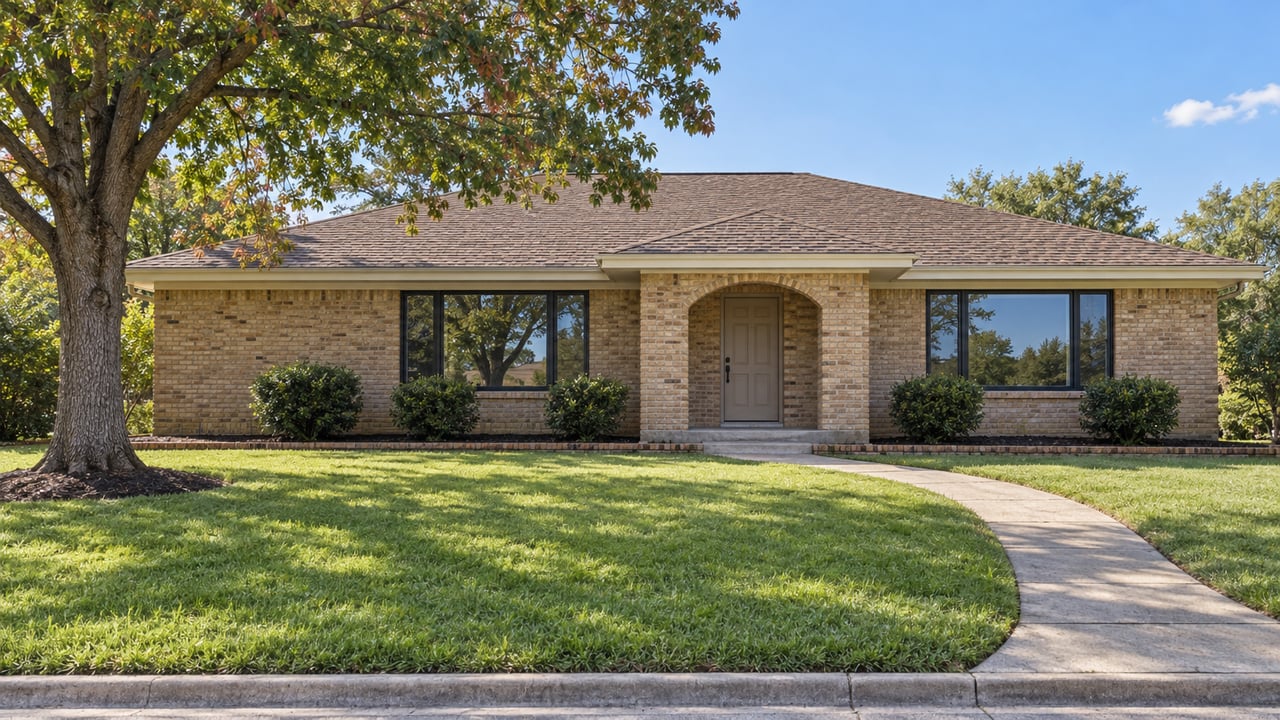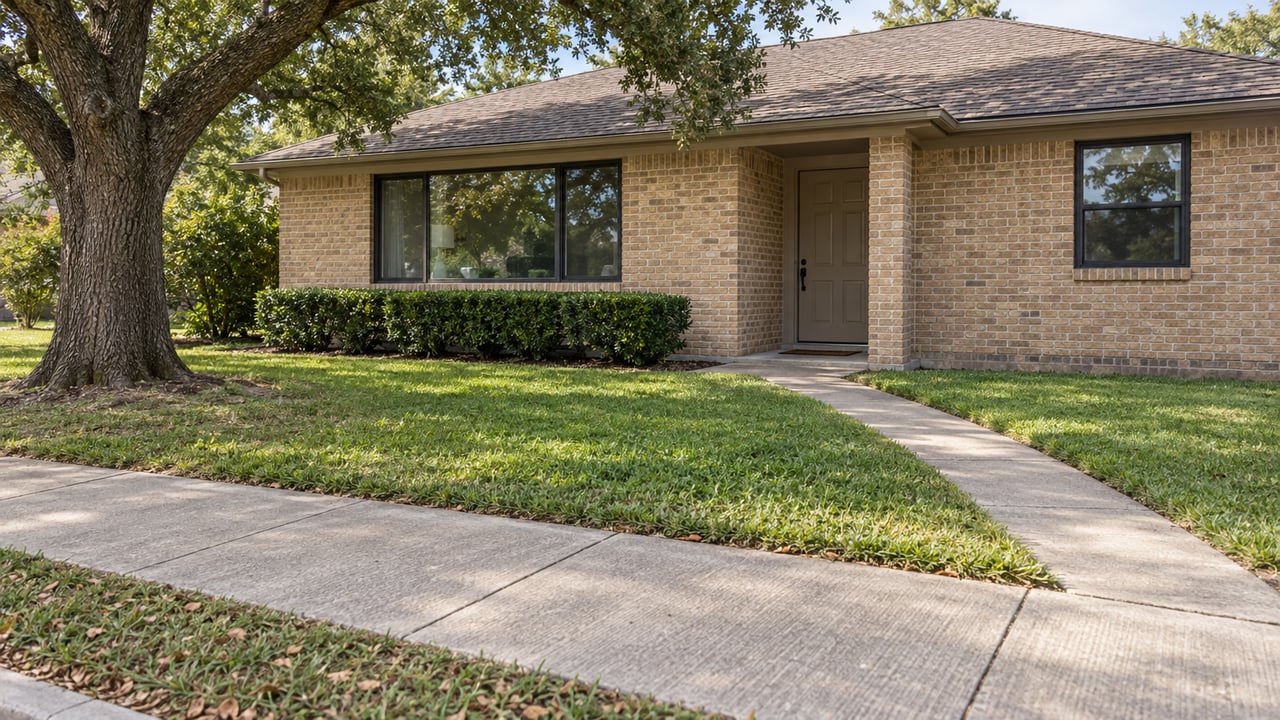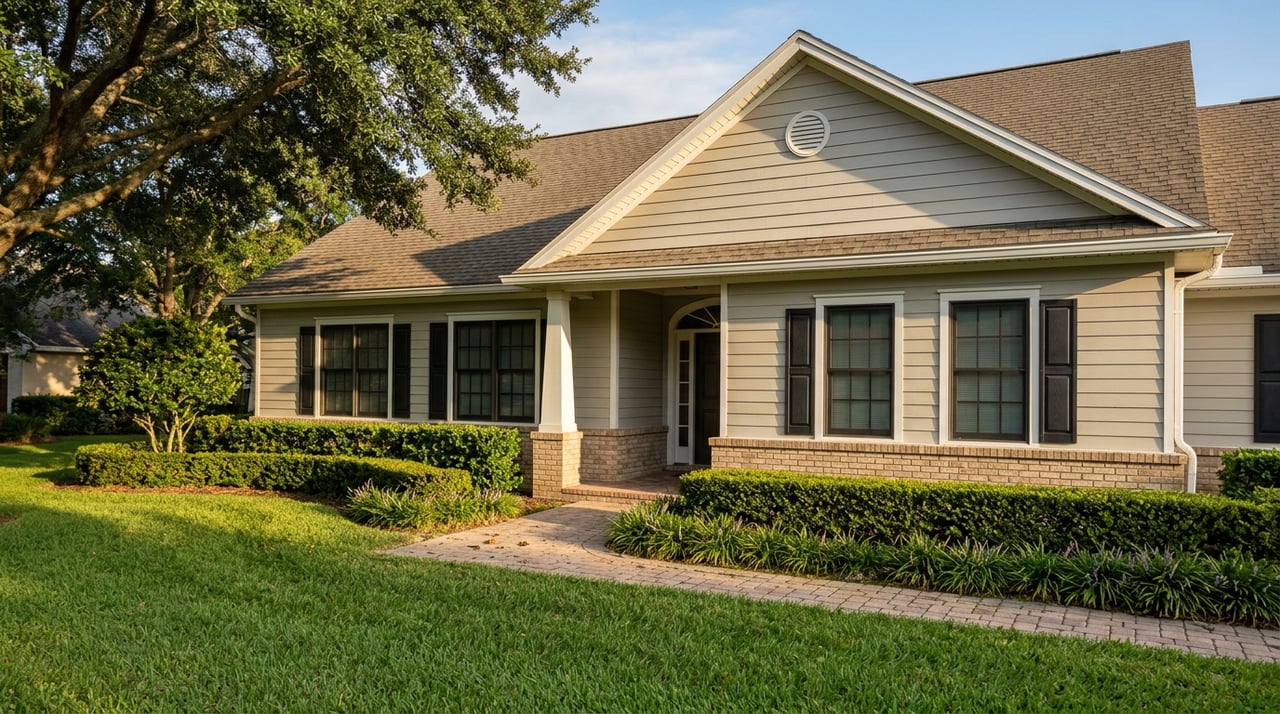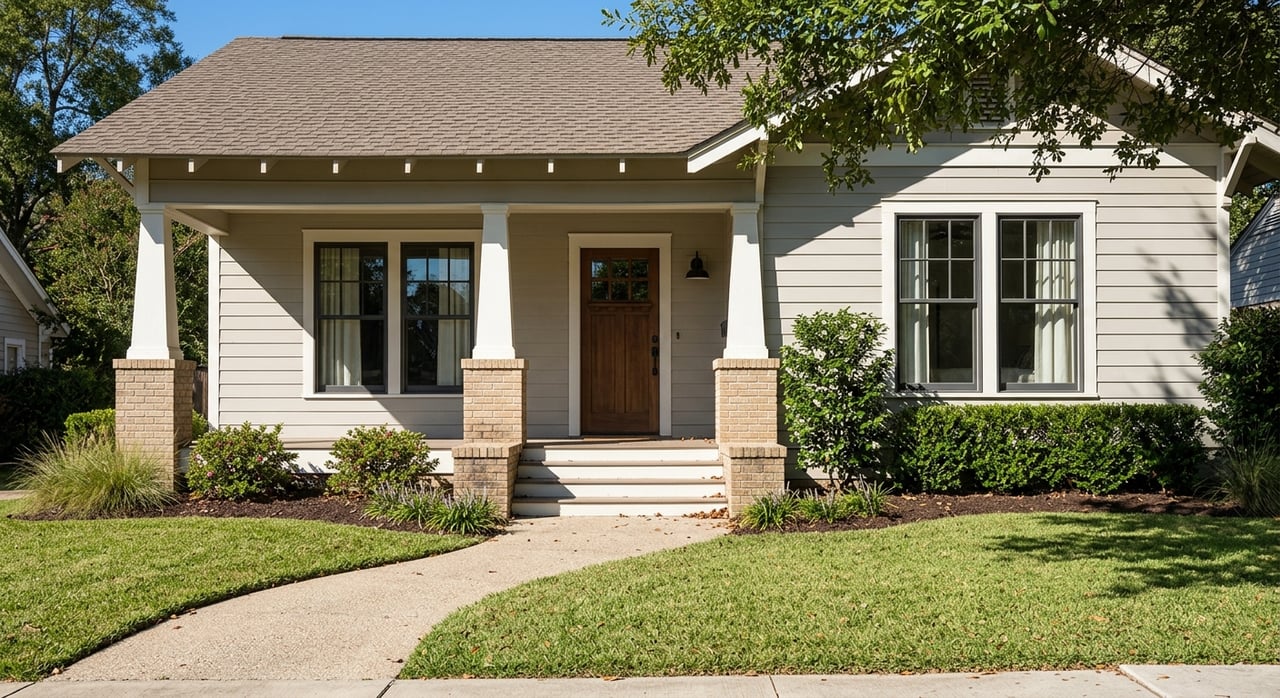
Choosing between a Montrose bungalow and a newer construction home can feel like choosing between personality and practicality. You may love the idea of a deep front porch and original architectural detail, but you may also want better efficiency, newer systems, and less project work right after closing. If you are weighing both options in Montrose, this guide will help you compare how each lifestyle fits your priorities, budget, and timeline. Let’s dive in.
Why Montrose Offers Both
Montrose has room for both historic charm and modern infill because of how the neighborhood developed over time. It was approved as a residential development in 1911 and later shaped by boulevards, streetcar access, setbacks, and landscape planning.
Over the decades, parts of Montrose shifted from a once-distinguished residential area into a more transitional pattern, which opened the door to rehabilitation and newer townhouse construction. Today, that layered history is part of what makes the neighborhood feel visually rich and block-by-block distinct.
Houston’s development framework also plays a major role. The city does not use zoning, so development is guided by subdivision rules, setbacks, parking, tree and shrub requirements, access regulations, and, in some cases, deed restrictions.
That is why you can see a classic bungalow on one block and newer construction nearby. In Montrose, the contrast is not unusual. It is part of the neighborhood’s long-standing development pattern.
What Montrose Bungalow Living Feels Like
A classic bungalow usually appeals to buyers who want architectural texture and a more intimate scale. National Park Service descriptions of Craftsman bungalows highlight features like one to one-and-a-half stories, low-pitched roofs, wide eaves, exposed rafters or timberwork, and a prominent porch.
In Montrose, many older homes reflect those broad design cues in ways that support a porch-centered lifestyle. The City of Houston notes that one-story bungalows in First Montrose Commons often feature low-pitched roofs, bracketed eaves, multi-light windows, stucco exteriors, and prominent front porches.
That front porch matters more than you might think. It changes how the home meets the street and often gives the property a softer, more welcoming presence than a home with a smaller stoop or inset entry.
Inside, bungalows can also feel different from newer homes. Many were designed with fewer hallways and a more open arrangement for their era, which can create a sense of flow even when the square footage is modest.
Bungalow Strengths
If you are drawn to older homes, here is what often makes a Montrose bungalow so appealing:
- Distinct architectural character
- Prominent porches and stronger indoor-outdoor connection
- A lower, more approachable scale
- Original details that are hard to replicate exactly in newer homes
- A sense of history that feels tied to Montrose itself
What To Watch In An Older Bungalow
Charm does not eliminate upkeep. Older homes often benefit from envelope and systems improvements, especially when it comes to insulation and air sealing.
The U.S. Department of Energy notes that insulation and air-sealing upgrades are common in older homes and can improve comfort, durability, and heating and cooling costs. In practical terms, that means an older bungalow may feel worth it if you are comfortable planning updates over time.
This does not mean every older home is a project. It does mean you should look closely at how well the home has been maintained and whether key improvements have already been addressed.
Questions To Ask About A Bungalow
When you tour an older Montrose home, focus on the items that can affect comfort, timing, and budget:
- Have insulation or air-sealing upgrades been made?
- How old are the major systems?
- Are there signs that the exterior envelope needs work?
- Has the home been updated in a way that respects its original character?
- Will you want immediate improvements after closing, or can they wait?
What New Construction Living Offers
Newer construction usually appeals to buyers who want a more turnkey experience. If your priority is moving in with fewer near-term repairs and more consistent day-to-day comfort, a new build may feel like the easier fit.
ENERGY STAR says certified new homes are designed and built better from the ground up with stronger energy efficiency and performance. The Department of Energy also notes that certified efficient new homes are third-party verified and intended to deliver energy savings, comfort, health, and durability.
ENERGY STAR further says its certified homes use air sealing, properly installed insulation, and high-performance windows through a thermal enclosure system. It also reports that certified homes save at least 10% on annual utility bills.
That kind of performance can matter in Houston, where steady indoor comfort and cooling efficiency are top of mind for many buyers. For some people, that alone can outweigh the emotional pull of an older home.
New Construction Strengths
A newer home in Montrose may be the better match if you value:
- Newer systems and materials
- Better energy performance
- More consistent indoor temperatures
- Less immediate repair or upgrade work
- A more turnkey move-in experience
How New Infill Can Feel Different
The tradeoff with newer construction is usually less about quality and more about form. In Montrose, new infill can be shaped by lot size, setbacks, parking, and landscaping review, which can lead to homes that feel tighter on the lot or more vertically oriented.
That does not describe every new build, but it is a useful pattern to keep in mind as you compare options. A newer home may offer more modern function, but it may not deliver the same porch-centered layout or lot presence as a bungalow.
The City of Houston also uses Special Minimum Lot Size and Special Minimum Building Line programs in some areas to preserve established development patterns where neighborhoods choose them. Existing homes can remain even when newer standards apply, which adds another layer to how each block evolves over time.
Historic District Rules Matter
If you are considering an older home, one of the first things to confirm is whether it sits in a designated historic district. In Houston, exterior changes, additions, new construction, relocation, and demolition in a historic district can require city review through a Certificate of Appropriateness.
Ordinary maintenance is generally exempt, but city guidance recommends contacting preservation staff early because local review can affect project scope and timing. For buyers, that means the home’s location may influence not just what you can change, but how long changes could take.
This is especially important if you plan to expand, significantly alter the exterior, or rebuild parts of the property. It is not a reason to avoid a historic home, but it is a reason to buy with clear expectations.
How To Compare Your Priorities
If you are stuck between bungalow charm and new construction ease, it helps to compare the two through your real-life priorities rather than through aesthetics alone.
| Priority | Bungalow May Fit Better | New Construction May Fit Better |
|---|---|---|
| Architectural character | Stronger fit | Varies by builder and design |
| Porch-centered living | Often stronger | Less common |
| Energy efficiency | May need upgrades | Often stronger out of the box |
| Immediate maintenance | Usually higher risk | Usually lower risk |
| Turnkey convenience | Less likely | More likely |
| Historic context | Often stronger | Usually less historic feel |
The right choice depends on how you want to live, not just what looks best in listing photos. Some buyers want to preserve charm and personalize over time. Others want simplicity and performance from day one.
What The Montrose Market Means For Buyers
Montrose is already a premium inner-loop market, so this decision usually happens after you have accepted a higher price point for location. According to HAR’s December 2025 update, Montrose was a balanced market with 5.0 months of inventory, 41.3 days on market, and a median sold price of $909,389.
HAR also reported about 281 homes for sale with an average list price of $845,036 and an average size of 2,516 square feet. A separate 2025 neighborhood snapshot placed the median single-family price at $785,000.
Those numbers matter because they frame the bungalow-versus-new-build question correctly. You are not just choosing style. You are deciding where you want your money to go within an already competitive inner-loop neighborhood.
For one buyer, that means paying for character and accepting future updates. For another, it means paying for efficiency, newer systems, and fewer immediate projects.
A Simple Decision Framework
If you want a practical shortcut, use this:
- Choose a bungalow if you value architectural detail, porches, and the chance to update over time.
- Choose new construction if you value newer systems, stronger energy performance, and less immediate work.
Then go one step deeper. Ask whether the newer home’s price premium is buying comfort and efficiency, or mainly more square footage. Also ask whether the older home’s charm is worth the upgrades you may want to make.
That is where local, block-level guidance becomes valuable. In Montrose, two homes with similar prices can offer very different lifestyles depending on historic district status, lot conditions, and how the property has been maintained or built.
If you want help comparing specific Montrose homes, historic-district considerations, or the tradeoffs between charm and turnkey living, Brenna Abels can help you evaluate the details with a neighborhood-focused eye.
FAQs
What makes a Montrose bungalow different from a newer Montrose home?
- A Montrose bungalow often offers older architectural character, a prominent porch, and a lower-scale feel, while a newer Montrose home often offers newer systems, better energy performance, and a more turnkey experience.
Do Montrose historic district rules affect home updates?
- Yes. If a Montrose property is in a designated historic district, exterior changes, additions, new construction, relocation, and demolition can require city review through a Certificate of Appropriateness.
Are older Montrose bungalows usually less efficient?
- Older homes often benefit from insulation and air-sealing improvements, which can improve comfort, durability, and heating and cooling costs.
What are the energy benefits of newer construction in Montrose?
- ENERGY STAR says certified new homes use features like air sealing, properly installed insulation, and high-performance windows, and that certified homes save at least 10% on annual utility bills.
Is Montrose a competitive market for buyers?
- HAR’s December 2025 update described Montrose as a balanced market with 5.0 months of inventory, 41.3 days on market, and a median sold price of $909,389.
How should you choose between a bungalow and new construction in Montrose?
- Start with your priorities: choose a bungalow if you want character and are comfortable with updates, or choose new construction if you want newer systems, efficiency, and less near-term project work.